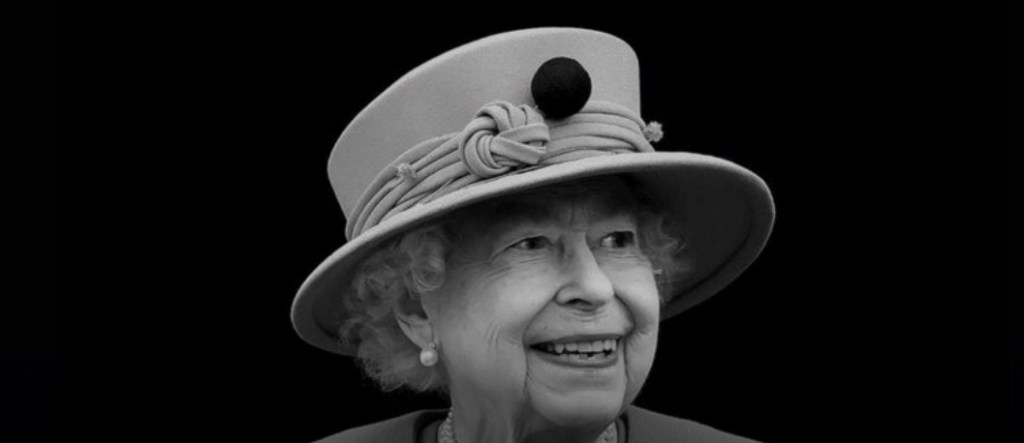
After days of lying-in-state, the body of the late Queen Elizabeth II will begin its final journey on Monday morning as part of a grand state funeral – first to Westminster Abbey, for a religious service in front of a congregation of thousands, and then on to Windsor Castle for a more intimate committal service and, finally, a private burial.
It will be a day of emotion, pomp and ceremony the like of which has not been seen since the last state funeral, of Winston Churchill, almost 60 years ago. The Queen made personal additions to the plans, Buckingham Palace has said.
Here is a breakdown of the day’s events on Monday 19 September.
The Queen’s lying-in-state at Westminster Hall in the heart of London will come to an end in the early morning. Thousands have been queuing and filing by to view her coffin.
A short distance away, at Westminster Abbey, the doors will be opened for guests to start arriving ahead of the service at 11:00.
Heads of state from across the world have been flying in to join members of the Royal Family to remember the Queen’s life and service. Senior UK politicians and former prime ministers will also be there.
Members of royal families from across Europe, many of whom were blood relatives of the Queen, are expected – Belgium’s King Philippe and Queen Mathilde and Spain’s King Felipe and Queen Letizia will be there.
At this point, the ceremonial part of the day will begin in earnest, as the Queen’s coffin is lifted from the catafalque where it has been resting since Wednesday afternoon, and taken to Westminster Abbey, for her funeral service.
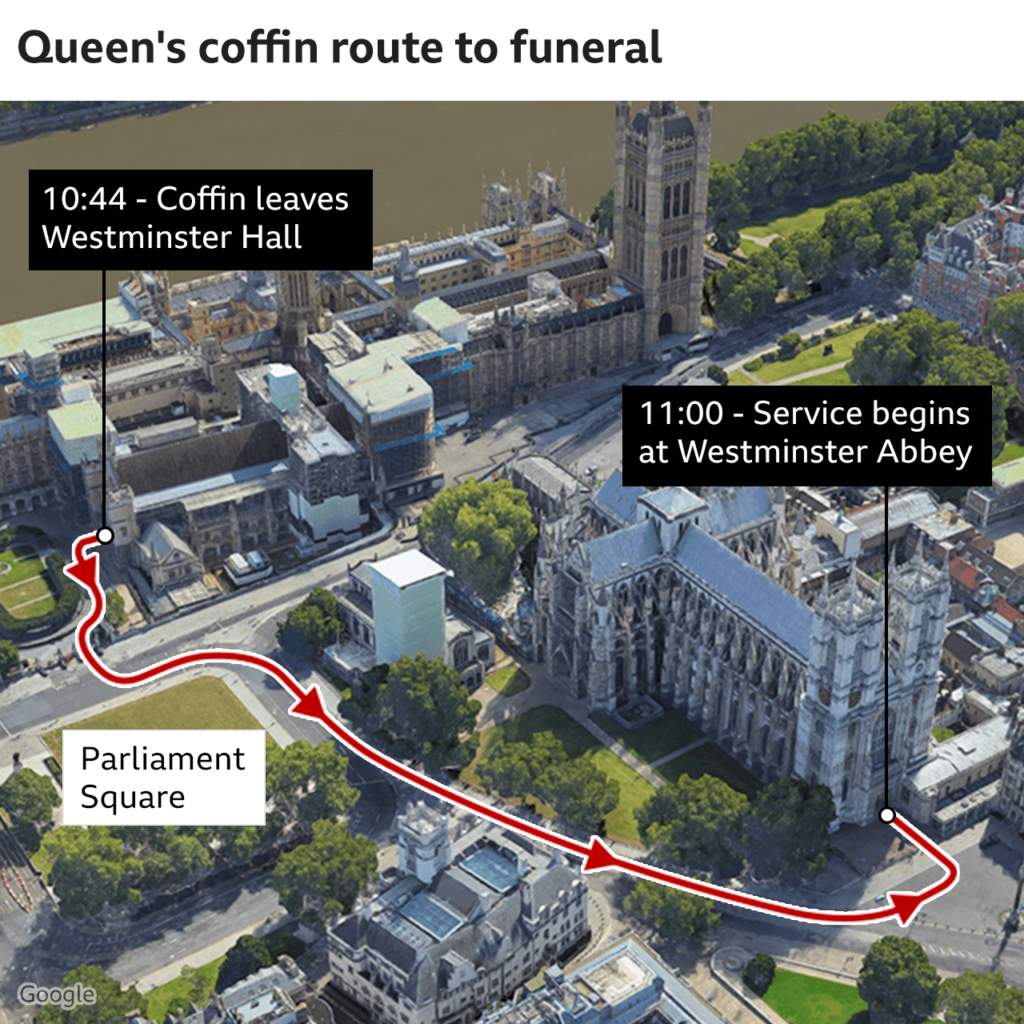
She will be carried on the State Gun Carriage of the Royal Navy, drawn by 142 sailors. The carriage was last seen in 1979 for the funeral of Prince Philip’s uncle, Lord Mountbatten and was used for the Queen’s father, George VI, in 1952.
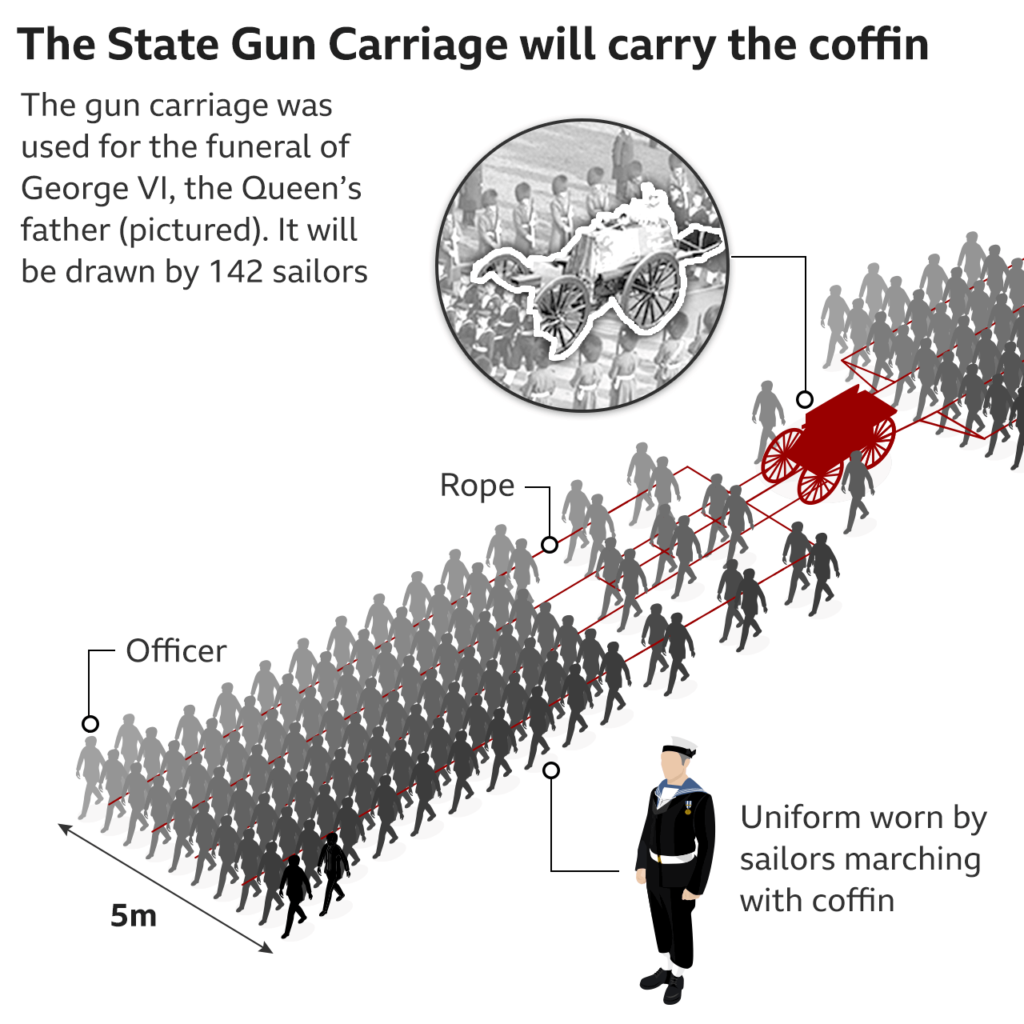
Senior members of the Royal Family, including the new King and his sons Prince William and Prince Harry, will follow the gun carriage in procession.
The Pipes and Drums of the Scottish and Irish regiments will lead the ceremony, along with members of the Royal Air Force and the Gurkhas.
The route will be lined by the Royal Navy and Royal Marines and a guard of honour will stand in Parliament Square made up of all three military services, accompanied by a Royal Marines band.
The Queen’s funeral service, expected to be attended by 2,000 guests, will begin at Westminster Abbey.
It will be a state funeral – an event typically reserved for kings or queens, which follows strict rules of protocol, such as a military procession and the lying-in-state.
The Abbey, hosting the funeral service, is the historic church where Britain’s kings and queens are crowned, including the Queen’s own coronation in 1953. It was also where the then-Princess Elizabeth married Prince Philip in 1947.
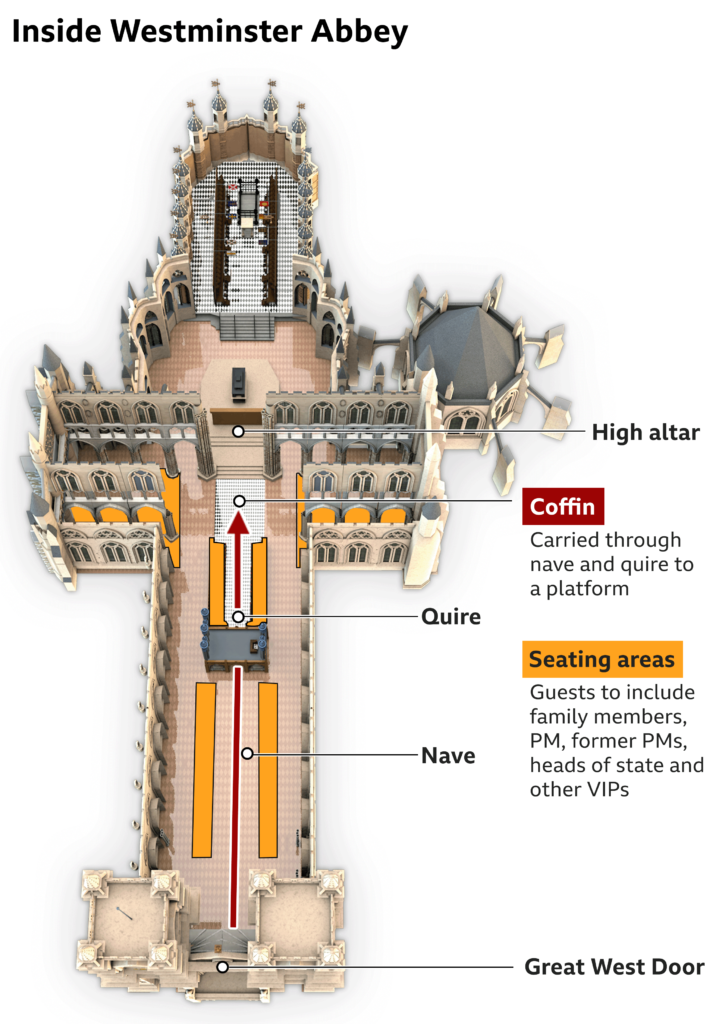
There hasn’t been a monarch’s funeral service in the Abbey since the 18th Century, although the funeral of the Queen Mother was held there in 2002.
The service will be conducted by the Dean of Westminster David Hoyle, with the Archbishop of Canterbury Justin Welby giving the sermon. Prime Minister Liz Truss will read a lesson.
Towards the end of the funeral service the Last Post – a short bugle call – will be played followed by a two-minute national silence.
The national anthem and a lament played by the Queen’s piper will bring the service to an end at about midday.
Following the service, the Queen’s coffin will be drawn in a walking procession from the Abbey to Wellington Arch, at London’s Hyde Park Corner.
With the route lined with military personnel and police, Big Ben will toll at one-minute intervals as the procession moves slowly through the streets of the capital. Gun salutes will also fire every minute from Hyde Park.
People can watch the procession in person from designated viewing areas along the route.
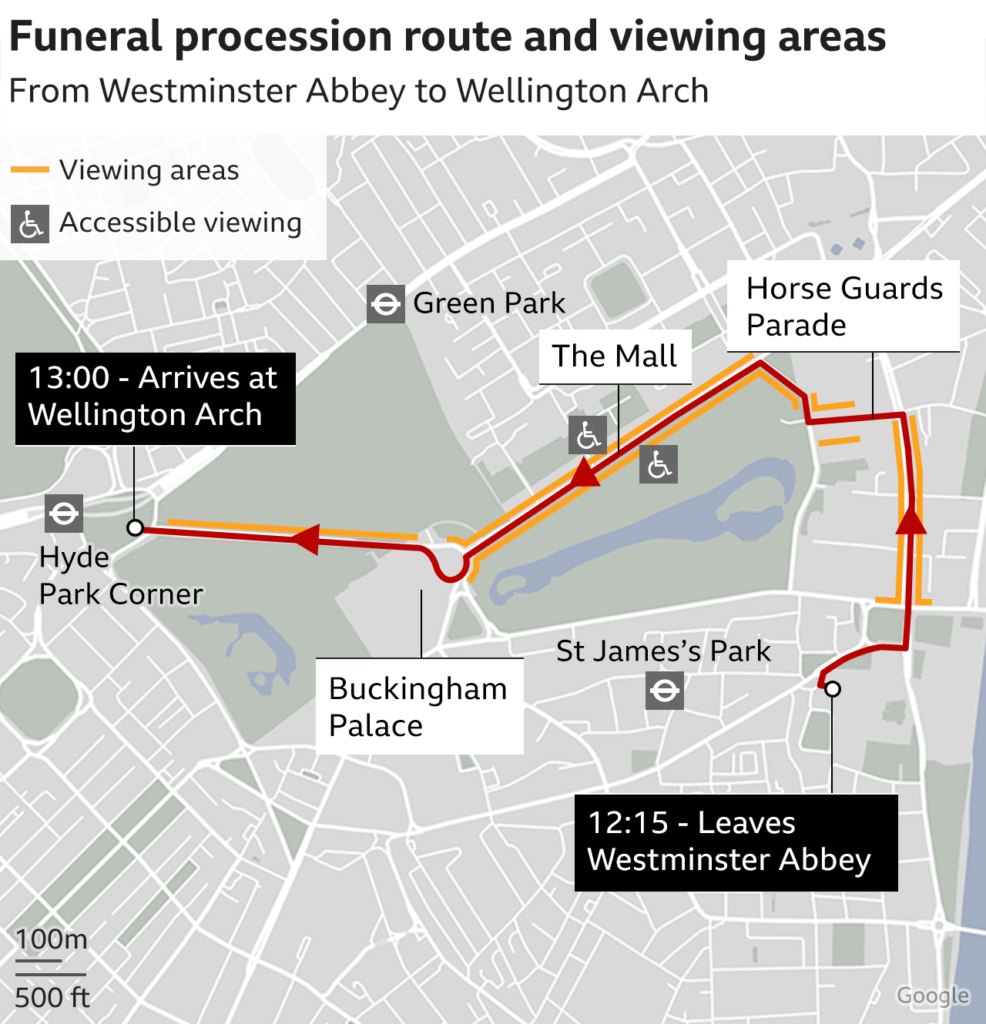
The procession, led by the Royal Canadian Mounted Police, will be made up of seven groups, each with its own band. Members of the armed services from the UK and the Commonwealth, the police and the NHS will also be involved.
Once again the King will lead members of the Royal Family walking behind the gun carriage bearing the Queen’s coffin.
Camilla, the Queen Consort, the Princess of Wales, the Countess of Wessex and the Duchess of Sussex will join the procession in cars.
Once at Wellington Arch, at about 13:00, the coffin will be transferred to the new State Hearse for its final journey to Windsor Castle.
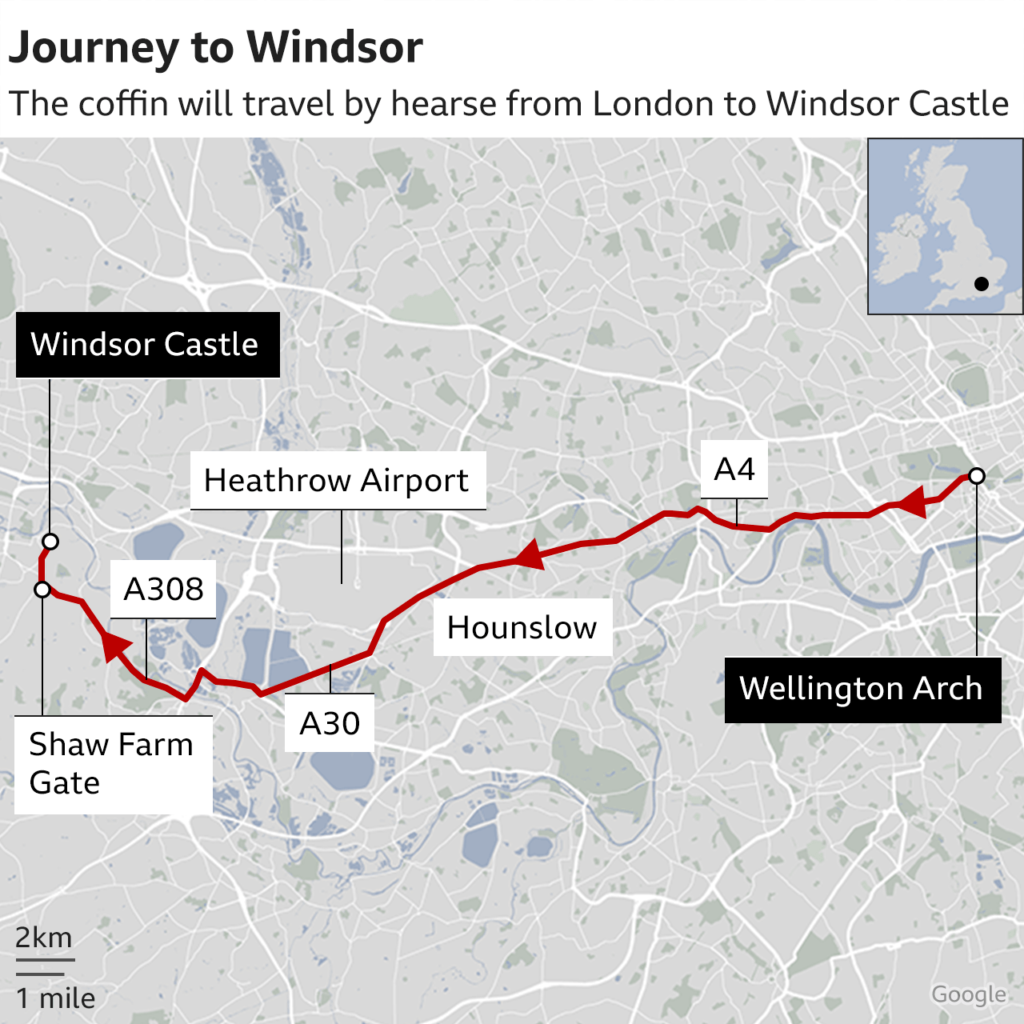
The castle, continuously inhabited by 40 monarchs across almost 1,000 years, had special significance to the Queen throughout her life. As a teenager she was sent to the castle during the war years as London faced the threat of bombing, and more recently she made it her permanent home during the coronavirus pandemic.
The hearse is expected to arrive for a walking procession up Windsor Castle’s Long Walk. The three-mile (5km) avenue will be lined with members of the armed forces.
 Congo.dev