“I don’t do a song with an award in mind. We are just working. If an award comes then it’s my time, if it does not come then it’s not my time. With that in mind, it does not matter what happens in the system.”
Diana Hamilton has won multiple awards both on home soil as well as international award schemes.
She won the 2021 Most Streamed Female Act of the Year Award at the 3Music Women’s Brunch.
In March 2021, she was among the Top 30 Most Influential Women in Music by the 3Music Awards Women’s Brunch.
She was crowned Artiste of the Year and Gospel Artiste of the Year at the 2021 Ghana Music Awards on June 26 with her song “Adom”.
Diana Hamilton is currently on tour for the promotion of her latest single titled ‘My Meditations’.
The song comes as her first single this year and is looking forward to doing greater things after its release.
She mentioned that since the release of the song, she has received a lot of support from some of her colleagues.
The likes of Joe Mettle, Cecy Twum, and Ohemaa Mercy have all shown great support for her music.
A teacher is accused of hiding a missing teenager who vanished more than two years ago and reappeared at his family’s home in March, authorities said last week.
Holga Castillo Olivares, 61, a resident of California was scheduled to appear in court Monday in the June 2020 disappearance of Michael Ramirez, 17, the Rancho Cordova Police Department said in a statement.
Olivares faces charges of detaining a minor with the intent to conceal from a parent and contributing to the delinquency of a minor, the department said.
Michael Ramirez. (Sacramento County Sheriff’s Office via Facebook)
Ramirez’s aunt and legal guardian, Katte Smith, told NBC affiliate KCRA that he ran away after an argument with his parents and never returned.
Ramirez was 15 at the time.
An extensive search launched after the teen’s June 9 disappearance failed to find him, the department said. Nearly two years later, on March 11, he “inexplicably” returned home, the department said.
KCRA reported that he had been staying at the home of Olivares — the mother of a childhood girlfriend — the entire time.
“You can’t just hide someone’s kid and think that’s OK,” Smith told the station.
The police department identified Olivares as an employee at the Alice Birney Public Waldorf school, in the Sacramento City Unified School District.
The school’s website lists her as a second-grade teacher.
A school district spokesperson did not immediately respond to a request for a comment. In a statement to KCRA, the district said that Olivares has been placed on administrative leave while it investigates the allegations.
The statement described the alleged crimes as “unrelated” to Olivares’ assigned duties and said she was taken into custody after her students were dismissed for the day.
Jail records show that Olivares was released from jail Monday. Efforts to reach her were unsuccessful and it wasn’t immediately clear whether she has a lawyer to speak on her behalf.
Ghanaian businessman and chancellor of the University of Cape Coast, Sam Jonah, has advised President Akufo-Addo to begin solving Ghana’s economic crises by tackling the importation of foreign goods.
Speaking at the 60th anniversary of the University of Cape Coast (UCC) on Thursday, he explained that the high demand for foreign goods especially foodstuff has largely contributed to the economic challenges the country currently faces.
“I personally believe that unless and until we take concrete measures and actions to ensure an integrated economy, which would make us less dependent on foreign goods, I am afraid our economic challenges would be further exacerbated,” he explained.
Mr Jonah stressed that most food items consumed in Ghana are imported, hence the need to tackle that first.
“I think it is unconscionable that most of the tilapia we consume comes from China. Our frozen chicken comes from the Netherlands and the United States and, of course, we rely on Burkina Faso for our onions and tomatoes,” he added.
Mr Jonah said that “now, I am sure you all learnt that the Chinese having taken over and destroyed our land are now producing cocoa and exporting cassava and gari and yams. The cost of food is a major part of any nation’s economy and it behooves on all of us to do whatever we can to improve accessibility and affordability.”https://www.facebook.com/plugins/video.php?href=https%3A%2F%2Fwww.facebook.com%2Fdailygraphicghana%2Fvideos%2F431623502376124%2F&show_text=0&width=560
This comes after the cedi was cited by a Bloomberg report as the worst-performing against the dollar worldwide.
The Ghana cedi also lost further grounds Friday morning to trade at ¢14.70 to the dollar, quotations from the forex bureaus indicate.
The free fall of the local currency is having adverse effects on importers who rely on the dollar to trade.
On Saturday, on Newsfile, a Senior Lecturer at the Department of Economics, University of Ghana, Legon, Dr Twumasi Baffour urged importers and members of the Ghana Union of Traders Association (GUTA) whose capital has been greatly affected because of the depreciation to source local alternatives for their products.
“I know that about some months ago GUTA was in talks with the Ministry of Trade looking at options available in terms of import substitution. I share in their sentiment because if you are trading and you consistently losing the value of your capital it is not a comfortable place to be,” she said.
“But the question also is that all the things that a lot of their members are importing, is there the option to source local alternatives? Is there the option for the government to sit down with these groups and see the possibility of them moving into areas where they could be producing locally and supporting local manufacturing firms?” Dr Twumasi Baffour quizzed.
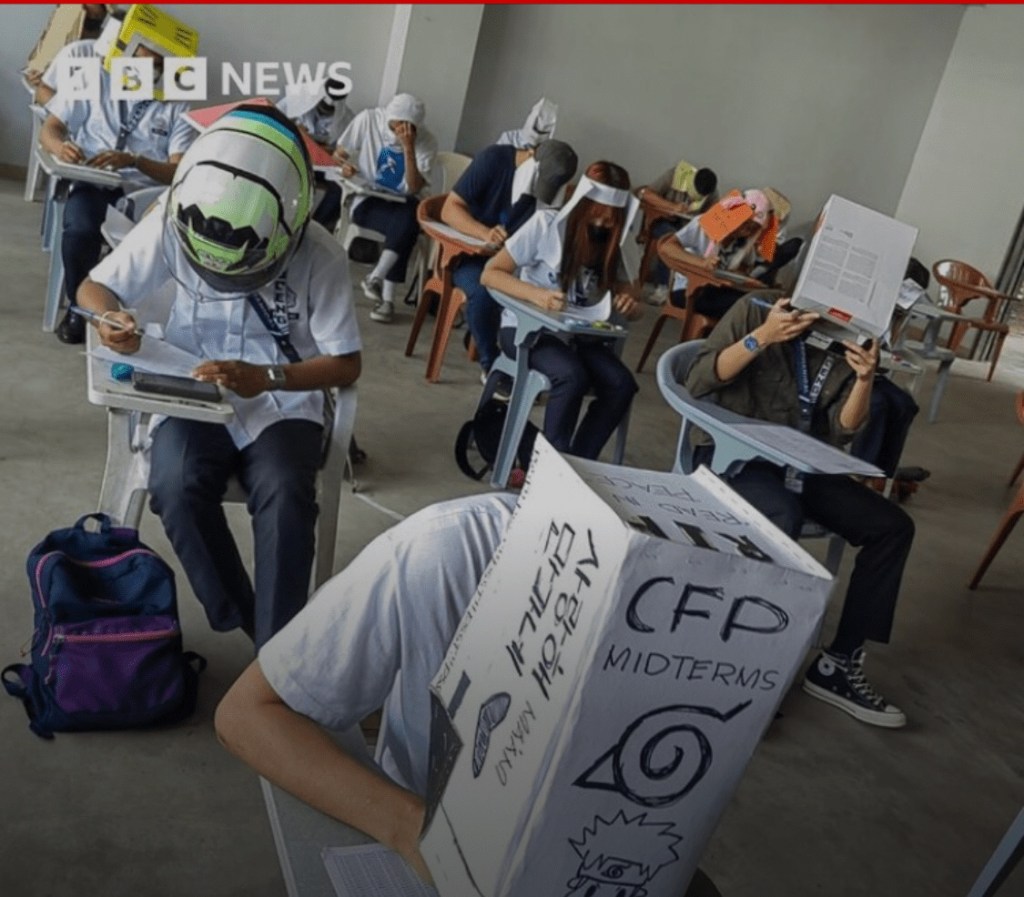
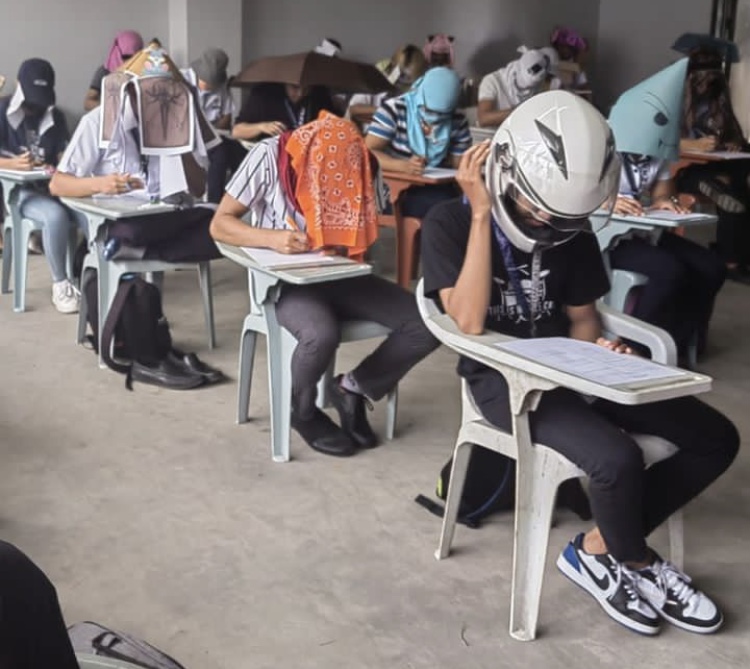
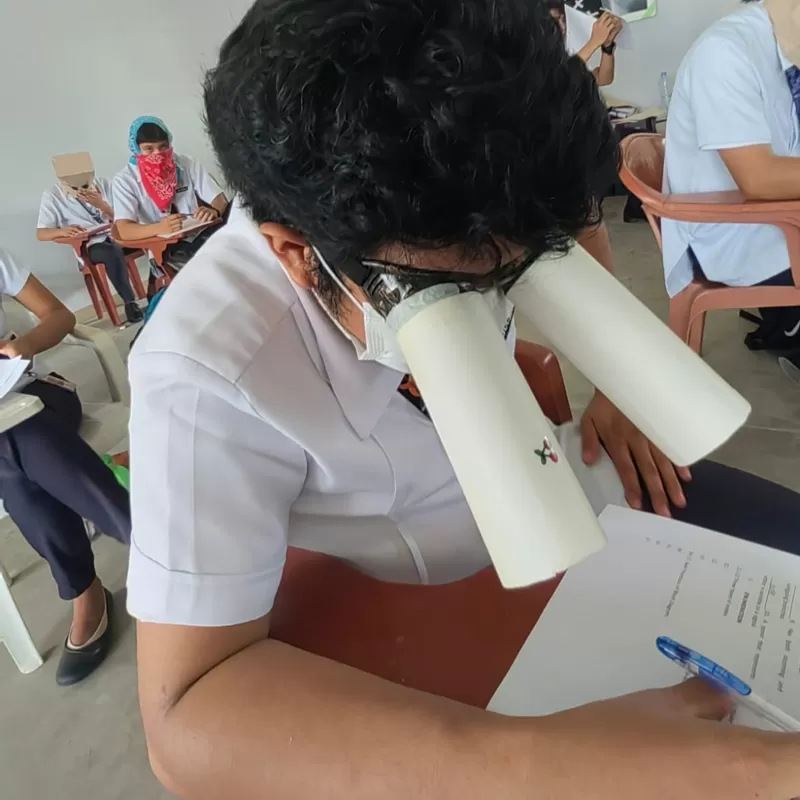
Images of students wearing so-called “anti-cheating hats” during college exams have gone viral on social media in the Philippines, sparking amusement.
Students at one college in Legazpi City were asked to wear headgear that would prevent them peeking at others’ papers.
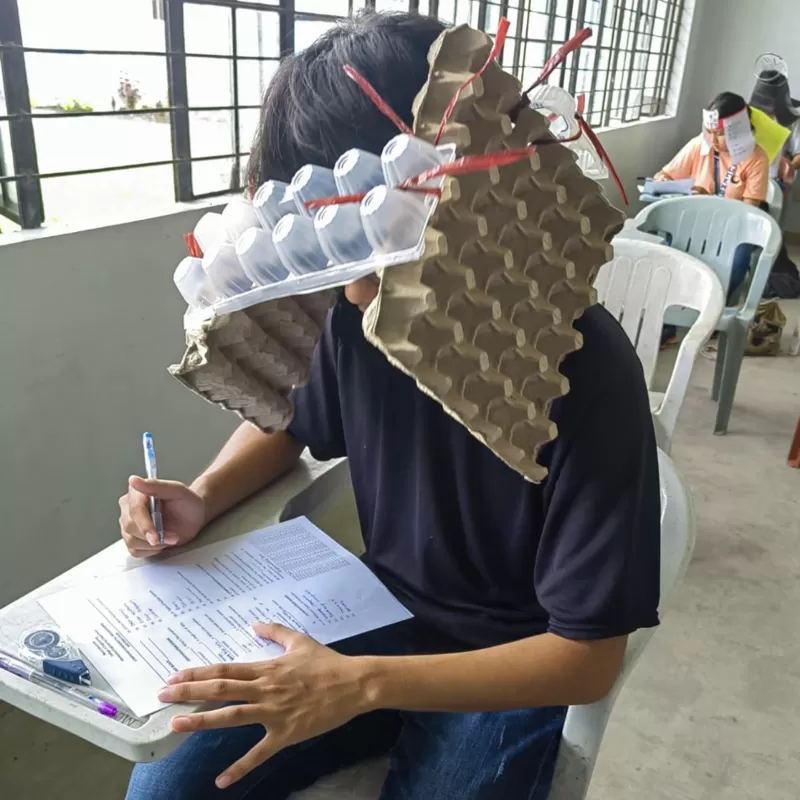
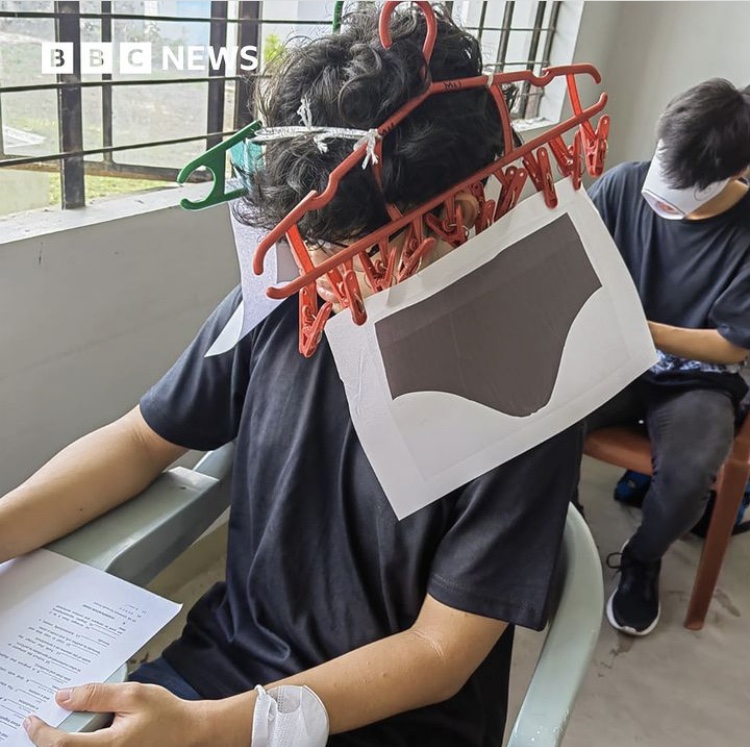
Many responded by creating homemade contraptions out of cardboard, egg boxes and other recycled materials.
Their tutor told the BBC she had been looking for a “fun way” to ensure “integrity and honesty” in her classes.
Mary Joy Mandane-Ortiz, a professor of mechanical engineering at Bicol University College of Engineering, said the idea had been “really effective”.
It was implemented for recent mid-term exams, which were sat by hundreds of students at the college in the third week of October.
MARY JOY MANDANE-ORTIZ
Prof Mandane-Ortiz said her initial request had been for students to make a “simple” design out of paper.
She was inspired by a technique reportedly used in Thailand some years previously.
In 2013, an image went viral appearing to show a room of university students in Bangkok taking test papers while wearing “ear flaps” – sheets of paper stuck to either side of their head to obscure their vision.u
Prof Mandane-Ortiz said her engineers-in-training took the idea and ran with it – in some cases innovating complex headgear in “just five minutes” please with any junk they found lying around.
Others donned hats, helmets or Halloween masks to fulfil the brief.
A string of the professor’s Facebook posts – showing the youngsters wearing their elaborate creations – garnered thousands of likes in a matter of days, and attracted coverage from Filipino media outlets.
They also reportedly inspired schools and universities in other parts of the country to encourage their own students to put together anti-cheating headwear.
Prof Mandane-Ortiz said her tutees performed better this year, having been motivated by the strict examination conditions to study extra hard.
Many of them finished their tests early, she added – and nobody was caught cheating this year.
Adisadel College, one-time champions will square off with defending champions and five-time winners, Prempeh College and a record six-time champions Presec Legon at the Grand Finale on Wednesday, October 26.
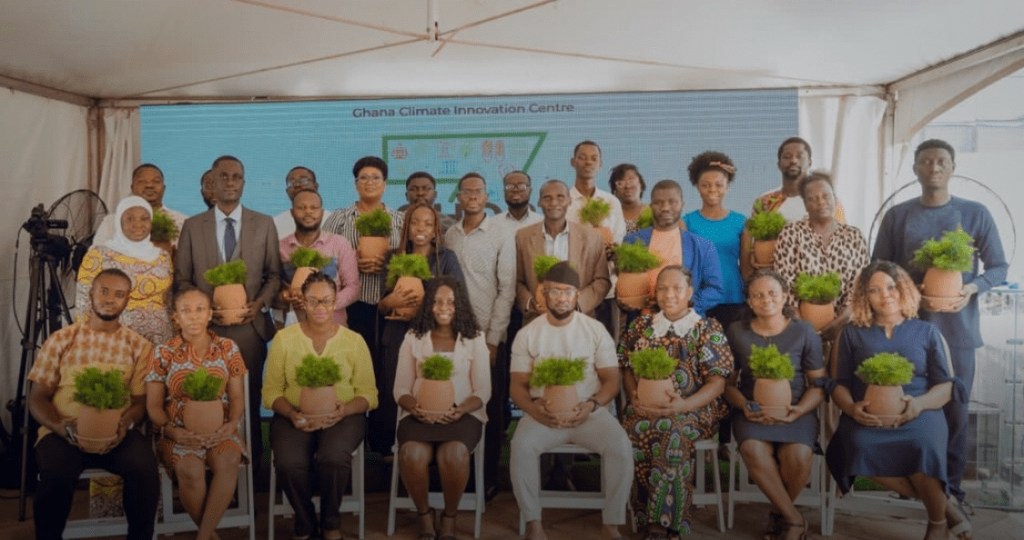
Ashesi University’s Ghana Climate Innovation Centre (GCIC) has inducted 22 entrepreneurs into its 7th Cohort of GCIC’s business incubator, under the funding of Global Affairs Canada.
The entrepreneurs are made up of 50% female-owned businesses and 40% male-owned businesses with 38% located in Greater Accra, 27% in the Ashanti Region, 15% in the Western Region, whilst the Eastern Region, Central Region, the Volta Region and Upper Region make up 20 %.
GCIC’s cohort 7 includes SMEs whose work and innovations are either aimed at climate change mitigation and adaptation or SMEs exploring the adoption of more climate-smart and sustainable models in their operations.
They are made up of businesses in five key sectors; 42% are climate-smart agriculture businesses, 27% are into waste management, 15% are energy efficiency organizations, with the rest in the greening and solar energy sectors.
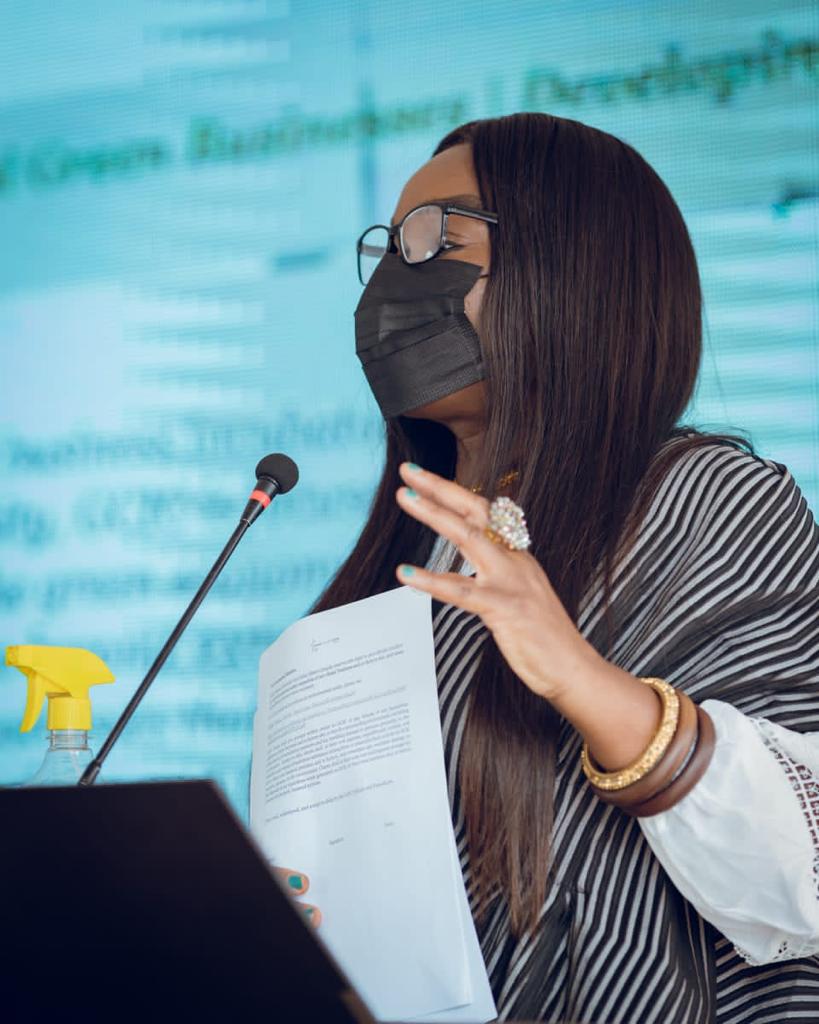
Ruka Sanusi, the Executive Director of GCIC during her induction speech, stated that between June 2017 and 2020, GCIC supported entrepreneurs to generate cumulative revenues of $2.06m, created 733 new jobs, raised additional early and growth-stage financing of more than $2m, and sequestered CO2 emissions of 14,500MT.
In the last year, the Centre has helped to avoid emissions of 70,684.47MT, which is about six times over the five-year target of 10,000MT, and has helped generate revenues of $1,303.323 whilst keeping a gender balance of 50% male and 50% female owned-businesses.
She said “GCIC’s robust business incubation program and interventions, support entrepreneurs to develop and each SME is awarded an average of CAD21,300 to enhance the needed mindset, skillset and toolset to go the long-haul with their climate innovation by better understanding the factors that determine long-term business success and performance.”
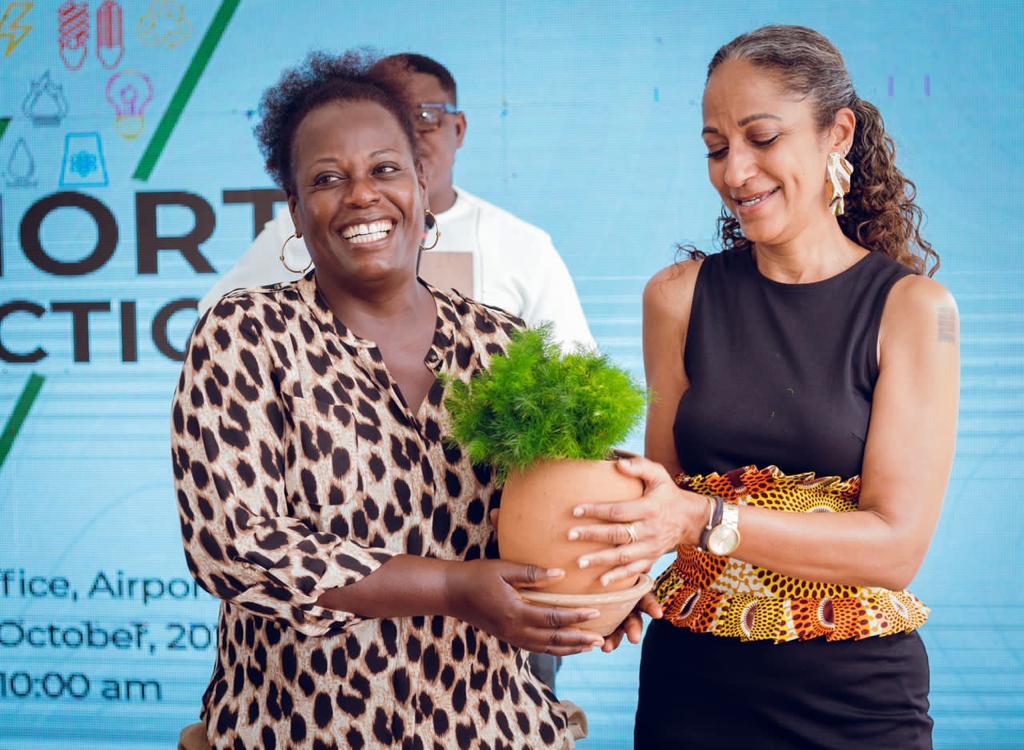
The GCIC’s symbolic presentation of a potted asparagus fern plant to each entrepreneur with an asparagus fern potted plant is symbolic of the process of nurturing a green business and encourages entrepreneurs to nurture the gift as a reminder of the dedication they will need to demonstrate to grow their businesses during and after the business incubation period.
The GCIC’s Partnerships, Entrepreneurship, and Investment Director, Dramani Bukari, took the entrepreneurs through the GCIC’s Technical and Product Development workstream and highlighted how entrepreneurs can improve their product innovation to meet global standards by using the support services offered by GCIC.
He said “The GCIC works to improve technologies and products, whilst stimulating climate risk mitigation and improving management practices. We also invested in ensuring that our cohorts grow climate-resilient businesses”.
He continued by saying, “Our grants are available after application and involve the submission of evidence of the efficient and effective utilisation of the awarded funds”.
Other presentations were delivered by the GCIC finance team on the opportunities for GCIC supported businesses to pitch for and access financial grants.
Daniel Ababio, Senior Manager at EY Ghana (GCIC ‘s implementation partners for the GAC supported program), who carries out Monitoring and Evaluation (M&E) of the program said “The M&E process that EY implementation helps us to track the growth of businesses before and after the 9-month period.
“We are also able to accurately quantify and report on the support that the GCIC gives, and we look forward to sharing your success stories during and at the end of the program”.
The Cohort 7 entrepreneurs were inducted into the GCIC incubation program on October 20, 2022, and will complete their tenure in June 2023.
A court in Uganda’s capital Kampala has sentenced an ivory trader to life in prison.
Pascal Ochiba was arrested in January this year with two pieces of ivory weighing nearly 10kg.
The magistrate said that Mr Ochiba was a repeat offender and deserved the maximum sentence, for the future protection of endangered species.
In July 2017, Mr Ochiba was arrested with four pieces of ivory and the skin of an okapi and sent to prison.
Okapi are rare forest animals with zebra-like markings and are endemic to the Democratic Republic of Congo.
The Uganda Wildlife Authority’s executive director, Sam Mwandha, described the ruling as a landmark achievement in the fight against illegal wildlife trade.
In 2019, the country passed a law imposing life imprisonment for people convicted of poaching or trafficking in endangered species.
There are just over 7,900 elephants left in the wild in Uganda, and the species are endangered.
Kwesiminstim MP Dr Prince Hamid Armah says the challenges of the existing educational system are the sector’s lack of credit and qualification framework as a country.
Speaking at the Pan Africa Students Conference, Ghana 2022, held at the Pentecost University College, Accra, the Vice Chairman of the Education Committee in Parliament revealed that a national qualification framework will breed transparency and accountability with respect to students’ qualifications.
“The importance of having a national qualification framework is to ensure that there’s transparency and accountability in the qualifications that people possess and how they can transit from one sector of the academic ladder to the other.
“So, for example, if you are a TVET or a technical vocational person who wants to transition into general education, it must be seemingly easy for you to do that whether you studied in Nigeria or another African country. It must very be easy for you to navigate from one qualification to the other,” he said.
According to him, this has resulted in students being stagnated in terms of academic choice.
“If you study a first degree, the first year at Pentecost University and you want to travel to Nigeria, the question will be will you be able to continue from the second year from the course you were doing in Ghana…it’s not possible… in fact, in Ghana in time past people who had HND and wanted to do degree had to start from level 100.
“So, what the qualification framework does is to recognize that a piece of learning has taken place which is then quantified and converted into a credit or number which can follow you wherever you want to move to,” Dr Armah noted.
Additionally, he mentioned that the national qualification framework in the quest will need a” whole national credit and qualification authority that will be responsible for credit transfer.”
“Well-structured countries that have qualification systems also have qualification authorities and so one of the key policy changes that we will require is to decouple the qualification evaluation, certificate evaluation and create a whole national credit and qualification authority that will be responsible for credit transfer because it’s a huge business on its own, that cannot be left under a unit of an agency.”
Dr Armah, therefore, recommended that the West Africa Examination Council (WAEC), the Ghana chapter be converted into the Ghana National Credit Examination Authority responsible for credit and qualifications for the pre-tertiary level.
Speaking on mobility challenges facing international students in the country, he said the continent’s policy space is not conducive to fostering student mobility.
“Students in Africa are struggling in terms of mobility not only on immigration issues but because of policy imperative of credit transfer, policy imperative of qualification evaluation. So, every country is working in silos.”
“The impact of student mobility is so much that it can even have an impact on our economic development. In terms of human resources, when people study abroad and decide to stay there, the knowledge they acquire is kept there to the benefit of that country.
“But if we are able to evolve, not only Ghana qualification framework but also a continental qualification framework, then it becomes easier for people to flexibly crisscross Africa in their academic pursuits,” he added.
The Kwesiminstim MP, therefore, urged policymakers across Africa to conceptualise these mobility problems as an African problem and create solutions, which will aid in the eradication of the problem.
The conference dubbed ‘Bridging the Educational Engagement Gap‘: Immigration and inter-cultural dialogue had global dignitaries such as Deputy head of mission, Embassy of Algeria, Atmane Boudjemia, Ambassador for Suriname, Fidelia Graand-Galdon, and Director of Community Education and Youth Development, Dr Akosua Abdallah gracing the event.
Two Somali officials have been killed in a suicide bombing in the central town of Jalalaqsi in the Hiiraan region.
District Commissioner Mohamed Omar Dabashe and the city mayor Adan Mohamed Isse were named as victims.
The government said the security forces opened fire at a vehicle filled with explosives, which the bomber was driving, but the blast went off, killing the officials and more than 10 others, including soldiers.
A similar bombing in Bulo-burde town, also in Hiraan, destroyed a key bridge, which runs over the Shabelle River and links the central and southern regions of Somalia.
Residents said the bomb caused an unspecified number of casualties.
No group has claimed responsibility, but the government blamed the explosion on militant group al-Shabab.
Reports said the militants targeted the bridge to prevent government forces and allied armed clans, who have launched an offensive, from crossing into their strongholds.
Founder of Alordia Promotions, Mr. Alordia says one Ghanaian artiste who has the potential to fill the O2 Arena is Black Sherif.
Speaking in an interview with Andy Dosty on Daybreak Hitz, he mentioned that this is possible because he has managed to get his music to be accepted by millions of people worldwide.
The conversation about how far Ghanaian musicians can go on the international front just took a different turn after the CEO of Akwaaba UK, Mr. Denis Tawiah mentioned that no Ghanaian artists can fill the O2 Arena.https://www.youtube.com/embed/ZuNO-n8VPCY?feature=oembed
In an interview with Lexis Bill on Personality Profile on Joy FM, he said; “Which Ghanaian artiste, on record, as we speak, has even sold a 5,000-capacity venue in the UK?” he wondered.
The closest, he recalls, is Reggie Rockstone or Sarkodie, who might have drawn about 4,000 audiences to their shows some years ago.
Even though DJ Alordia agrees with him, he also mentioned that an artiste like Black Sherif can fill the O2 only if all arms in the entertainment sector come together to work as a unit.
“The only person that can fill the O2 arena is Black Sherif because his music is everywhere. Our artists go there and sit there alone. They do not involve indigenous promoters who will help them reach out to people to come for the events.
“We can do this but we have to come together and work,” he said on Hitz FM.
CEO of Alordia Promotions, Mr. Alordia
Alordia Promotions is the organizer of the Ghana Music Awards UK.
The Ghana Music Awards UK is largely a people’s choice awards scheme that seeks to champion and expand the development of the Ghanaian music industry both at home and abroad, into an international market for global recognition of Ghanaian creative works.
The scheme is established to create an open market for collaboration, sales, new music trends, cultural exchanges, marketing opportunities and several benefits to be accessed by Ghanaian musicians in the United Kingdom.
The organizers of the scheme expect to make the Ghana Music Awards UK brand the biggest music festival to be held yearly in the United Kingdom to award excellence and creativity and give an equal opportunity for Ghanaians in the diaspora to compete.
Artiste Manager, Lawrence Nana Asiamah, popularly known as Bullgod has stated that the only Ghanaian “artiste” who has been able to fill a stadium is Pastor Mensah Otabil.
This conversation came on the heels of comments made by the CEO of Akwaaba UK, Dennis Tawiah who claims no Ghanaian can fill the O2 arena currently.
According to him, the only person who can fill the Accra Sports Stadium is the renowned man of God.
He described the Founder and Leader of the International Central Gospel Church (ICGC), as an artiste because his sermons come across to him as poetry.
“There’s only one artiste who has been able to fill the Accra Sports Stadium and that artiste is Pastor Mensah Otabil. He is an artiste, his words are like poems,” he told Andy Dosty on Daybreak Hitz.
A photo of Pastor Mensa Otabil’s Crossover Service on 1st January, 2017 held at the Accra Sports Stadium
According to Bullgod, the likes of Shatta Wale and Fancy Gadam never filled stadiums to their full capacity as many claimed.
“Fancy Gadam and Shatta Wale did not fill the stadium. They filled just one side of it,” he said on Hitz FM.
Lawrence Nana Asiamah Hanson, popularly known as Bulldog, is an artiste manager in Ghana.
He was the long-time manager for controversial Ghanaian musician Shatta Wale before they fell out.
He has also worked with the likes of 5Five and Reggae Dancehall artiste, Iwan.
He is currently the manager of budding musician, Vanilla.
A Teacher at the Nuria Mauzu Islamic Model School in the Wenchi municipality of the Bono Region has made a personal donation of school uniforms and sandals to 34 brilliant but needy students at the school where he teaches.
Mr. Stephen Ahenakwa used his monthly salary to procure 34 school uniforms, 15 pairs of sandals and 34 pairs of socks for the students.
Presenting the items during the Parent Teacher Association (PTA) meeting of Nuria Mauzu Islamic Model School, Mr. Ahenakwa explained that most parents have been struggling to provide the basic needs for their wards.
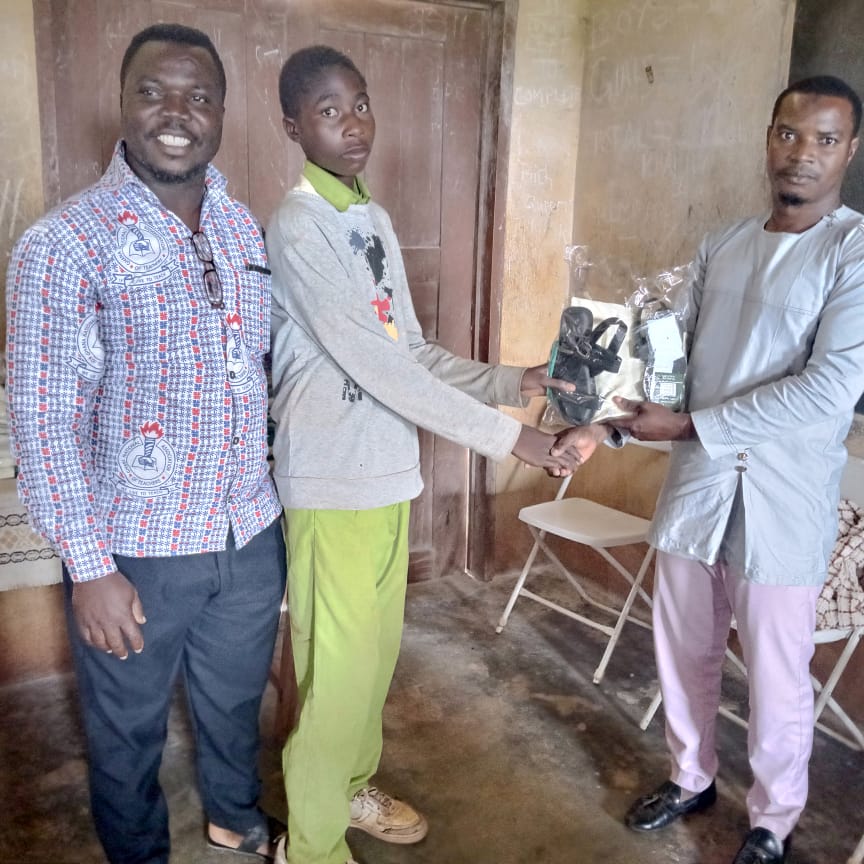
According to him, this has made the school children unhappy whenever they are in school.Headteacher – Nuria Mauzu Islamic Model School, Kassim Mumuni, presenting a pair of sandals to a student
“I have been buying school uniforms, stationery and food for students at Amoakrom and Mframaso, where I was teaching, before being posted to Nuria Mauzu Islamic Model School.
I do these things because I want to put smiles on the faces of my needy but brilliant students”.
He further said, ”I have been in their situation during my elementary school days, so I appreciate their struggles, the reason I offered to be their second parent anytime they are in school’’.
Receiving the items for the students, the Headteacher of the Nuria Mauzu Islamic Model School, Kassim Mumuni, commended his colleague for taking a keen interest in the development of the school children.
He said the children become happy and perform well when they get the necessary items for school.
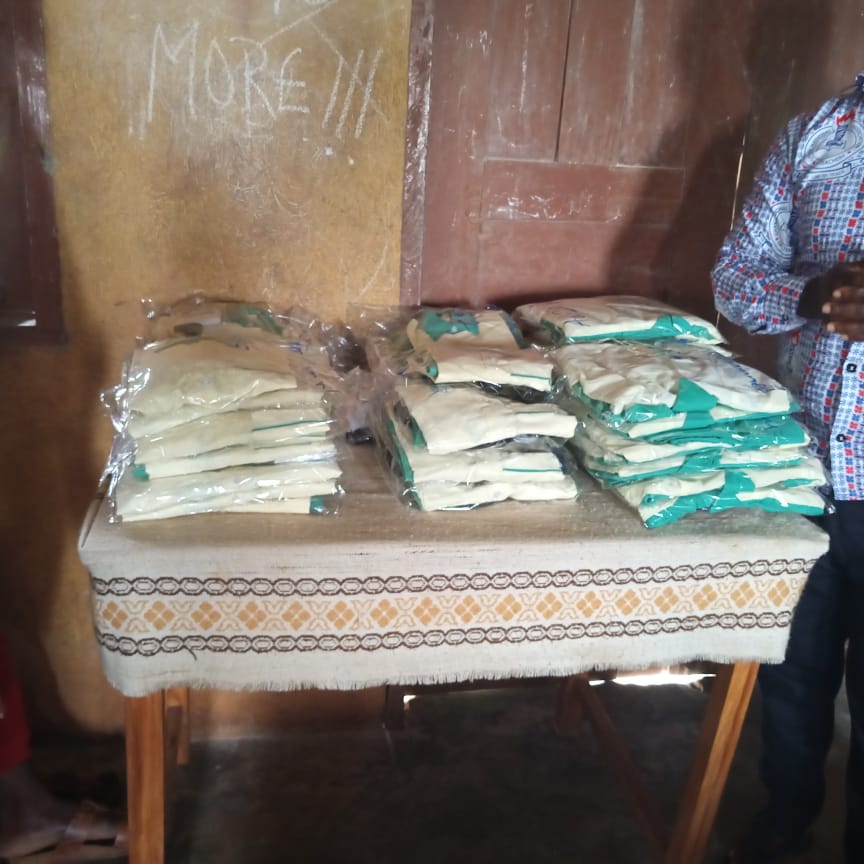
He stated, ”my fellow teacher, Stephen Ahenakwa, has lifted the burden off the shoulders of some parents by procuring the uniforms, sandals and socks out of his salary for the pupils, and we are grateful to him”.School uniforms ready to be given out
Mr. Mumuni mentioned lack of furniture, absence of a fence wall, inadequate teaching and learning materials, and dilapidated school mosque and kindergarten block as the main challenges of the school.
He, therefore, called on the government, Non-Government Organisations (NGOs), and philanthropists to help fix the challenges for effective teaching and learning.
The Headteacher further appealed for the extension of the school feeding programme to the school.
Bono Regional Manager of the Islamic Education Unit, Abdul Mumin Sampane, who was at the meeting, commended the benevolent gesture of Mr Ahenakwa.
He encouraged other teachers across the country to be more interested in the personal development of their students.
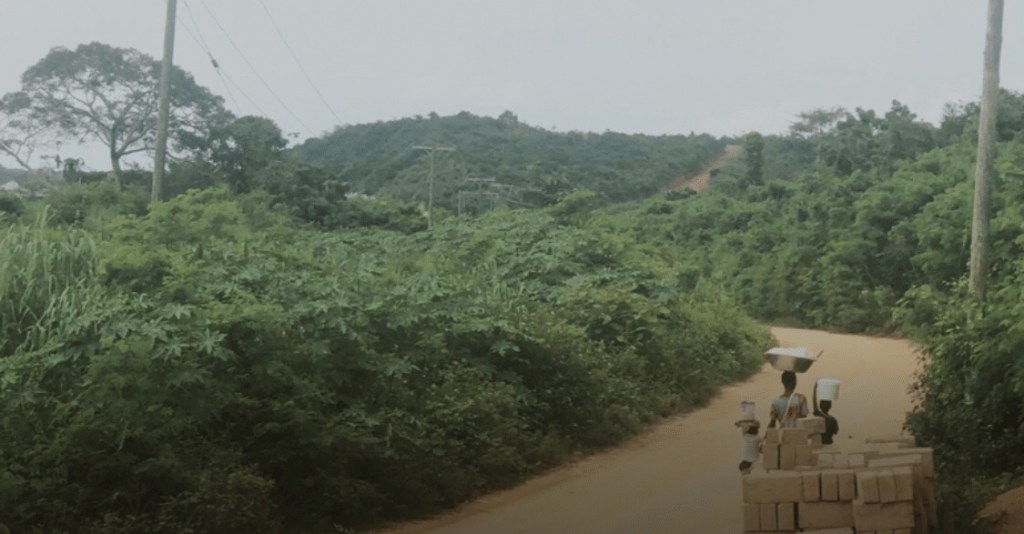
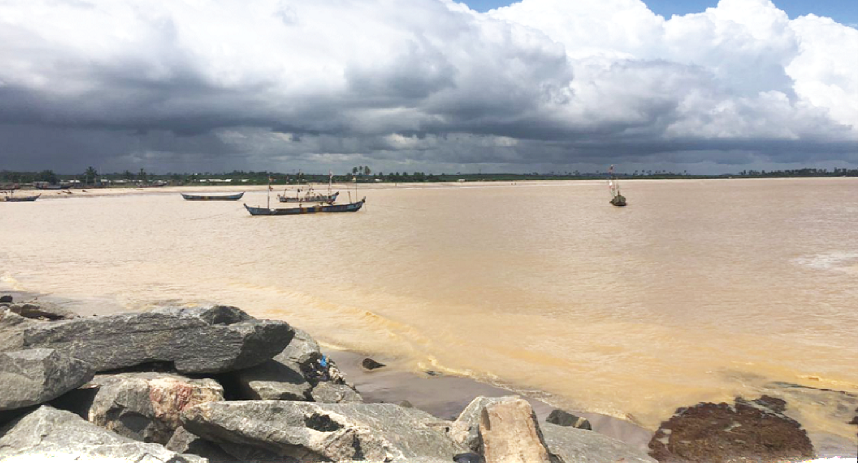
Residents along the coast of Shama in the Western Region have expressed worry over the unending murky nature of the coastlines stretching several kilometres due to illegal mining activities.
Debris from the heavily polluted Pra River as a result of ‘galamsey’ activities, aside from changing the colours of hitherto a good-looking blue sea, are deposited on the shore, making it highly unattractive to tourists and even members of the communities.
The Shama District, which is endowed with a beautiful coastline, an estuary and long Ramsar site toward the estuary, and creates a perfect ambiance for all manner of birds and breeding ground for fish species, is now muddy and not fit for purpose.
As the illegal mining activities intensify again after unsuccessful clampdown, the source of the Pra River ends in the Shama.
Interestingly, the Shama is not really known for illegal mining, but quarry and agriculture (farming and fishing). Unfortunately, its coast is now bearing the effect of these illegal activities as the murky and heavily polluted river enters the sea.
Residents say the situation is denying them of the needed investment, as investors who have bought land in the area to develop into beach resorts are shying away.
At Anlo Village towards Komenda in the Central Region and also towards Aboadze direction, the beaches have lost their sparkle.
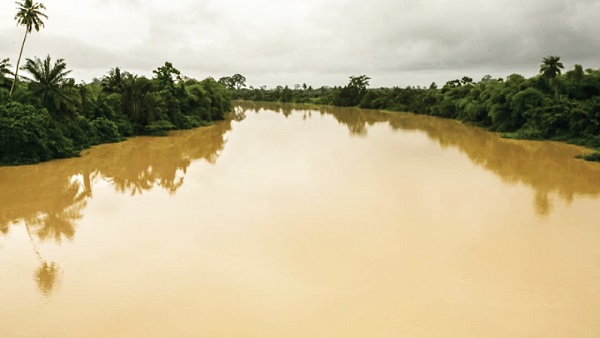
The resumption of illegal mining activities on the Pra River, which enters the sea at Anlo Village, has polluted the entire coastline, turning the blue sea into brown (high turbidity level).
Some residents who spoke to the Daily Graphic during a tour, said water from the Pra River, which enters the sea through the estuary, was once fresh and clean and served as a source of drinking water for the riverine communities.
The Pra River, which hitherto had clean and fresh water with active aquatic life, is now muddy due to illegal mining activities, according to the residents along it.
Some told the Daily Graphic that because the estuary and part of the sea had become muddy, it was making it impossible for fishing in the Pra River and that shallow part of the sea.
This is attributed to the high turbidity level of the sea and the river, which has disturbed the natural habitat for river species; therefore, the river and the sea have lost their glory.
The residents opined that if the fight against illegal mining succeeded, the turbidity improved and the river and sea regained their glory, those who owned parcels of land at the beachfront in the area would move in to develop them into resorts.
That, the communities said, would lead to the opening of their settlements and create job opportunities. They said although they were not into mining, the activities of illegal miners had caught-up with them.
A fisherman in Shama, Godfred Egyir, said when they were young, the stretch from Shama Apo towards the estuary to Anlo Village where various types of fishes bred was a place they used to get great catches.
“We got cassava fish and other types of fish there. We used hook and line to fish as well but today the story is different, we have lost it all,” he lamented.
The other fishermen who do not venture into deep seas, he said, used drag nets and still got very good catches.
“The sea was nice and blue but today the sea is thick brown, dirty and unattractive to aquatic life,” he added.
Another fisherman, Egya Kwesi, said “in its original state the river was giving us food, today we don’t have the fish species anymore, ‘apoofee’ which is a snail with a turreted spiky shell and all small fishes are all gone because of the current state of the river due to galamsey.”
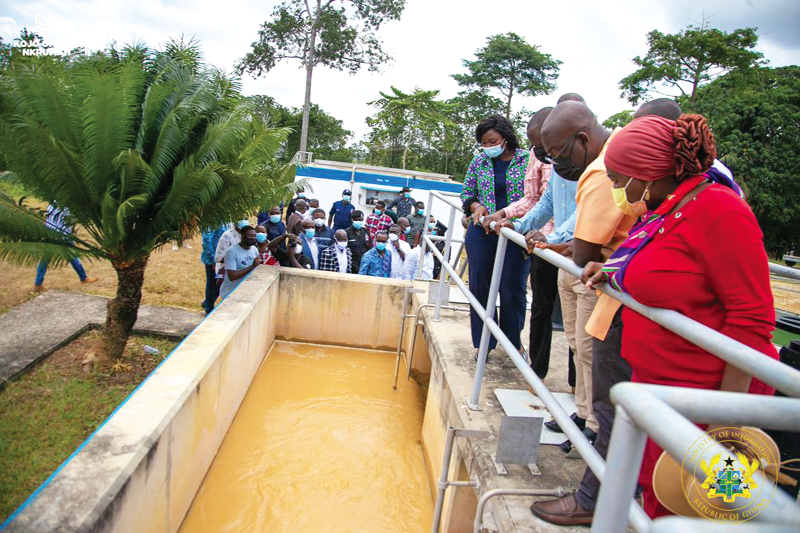
From the coast of Shama, the team visited Daboase, where Ghana Water Company Limited (GWCL) takes its supply for processing and the situation was dire.
The quality of water from the Pra River is treated and supplied to residents in the twin city of Sekondi-Takoradi. The team found that even though the water level was up, it had high turbidity and still flowed with debris that created problems for the plants.
The current turbidity (cloudiness) of the Pra River from the records is about 3,000 NTU (Nephelometric Turbidity Unit) while the colour is 9,014 HU (Hezen Units), which is not the best, some officials said.
The acceptable turbidity value for drinking water is five NTU, while values of 80-150 NTU are acceptable for other water uses as appropriate, according to the Water Resources Commission.
The Communications Manager of the GWCL in charge of the Western and Central regions, Nana Yaw Barima Barnie, said if the current trend continued unchecked it would get to a point where the company would no longer be able to process the Pra River for drinking.
“Very soon the water pumps will not even be able to abstract this kind of excessively polluted water, since they were designed to abstract water and not to de-silt it, the silt and others are too much for our operations,” he said.
Nana Barnie explained that at a point water collected looked like mud, which is not meant for the pumps; and if it continued this way, the plant might be shut down.
He said: “If those carrying out the illegalities are not aware of the dangers, and threat to water supply – reality will soon set in and we will feel the repercussions if the illegal activities force the system to shut down.”
“Imagine the needs and uses of water; let’s ask ourselves if the system shuts down what will happen to domestic use, our hospitals, schools and other institutions that rely heavily on treated water supplied by Ghana Water,” he asked.
Nana Barnie called for swift interventions and support from all stakeholders to deal with the galamsey menace, since it has dire consequences for the nation.
Other experts are of the view that the illegal mining activities release mercury and arsenic element into the environment, which accumulate in the water, where they convert into toxic methylmercury and enters the food chain.
Mercury contamination is said to be a significant public health and environmental problem because methylmercury easily enters the bloodstream and affects the brain.
Arsenic element is a naturally occurring metal found in the earth’s crust as the miners agitate the riverbed in search of gold. It occurs in various forms: elemental (metallic) arsenic; combined with other elements such as oxygen, chlorine, sulfur (inorganic arsenic); or combined with carbon and hydrogen (organic arsenic).
Two brothers have been jailed for 40 years for killing a Maltese journalist, whose 2017 death sparked global anger.
George and Alfred Degiorgio admitted to murdering Daphne Caruana Galizia, 53, just hours after pleading not guilty.
She was killed by a car bomb in October 2017. Many suspect the killing was ordered by top establishment figures.
Known as the “one-woman WikiLeaks”, she uncovered networks of corruption in Malta and abroad and was known as a harsh critic of the government.
The year Caruana Galizia died, she effectively triggered an early election by publishing allegations linking Joseph Muscat, the then-prime minister, to the Panama Papers scandal, which exposed the use of tax havens by the rich.
Last year, two men were charged with supplying the car bomb in the attack, while another man, Vincent Muscat, was jailed for 15 years when he admitted involvement in the murder.
The man who is accused of ordering the killing, Maltese businessman Yorgen Fenech, is yet to stand trial – he denies any involvement.
One of Caruana Galizia’s three sons, Paul, who publicly campaigned for justice on her behalf, said the sentencing was “a break in the clouds”. The family were in court on Friday to hear the sentence handed down.
It was also welcomed by Maltese Prime Minister, Robert Abela, who said the judgement was “another important step towards justice for the Caruana Galizia family”.
A public inquiry into the assassination of the investigative journalist found the state responsible for her death. The report said the state had failed to recognise risks to the reporter’s life and take reasonable steps to avoid them.
An investigation also led to the resignation of Mr Muscat in 2019 after his close associates were implicated. He has denied corruption allegations.
African Dancehall King,” Shatta Wale is happy about the positive attention the release of his much anticipated ‘Gift of God’ album has received so far.
The “On God” hitmaker thinks his recent rant on the “Good Evening Ghana” show on Metro TV is the reason for all the positivity he’s receiving on his album.
“I can feel Positivity around the GOG No negative comments and that’s how it should be . The “I know too much” has stopped since my Good evening Ghana interview. Peace !!!! Keep supporting your independent Ghanaian artiste till we get proper distributing and record labels to support our craft very well ..We appreciate and love you all,” he shared on Facebook.
Since the release of his official album cover, there have been positive feedback on the internet as social media users share widely to create awareness.
Even the people Shatta Wale tags as his “enemies” including Entertainment Pundit, Arnold Baidoo Asamoah, have shared the album cover on their social media pages.
The Ghana cedi s likely to endure depreciation pressures in the near term as the foreign exchange market still awaits news on the Debt Sustainability Analysis [DSA] conducted by the International Monetary Fund.
However, the syndicated loan of $1.13 billion signed last week is expected to bolster dollar supply and provide some reprieve to the local currency.
“The local unit [cedi] is likely to endure depreciation pressures in the near term as the market still awaits news on the DSA conducted by the IMF. The syndicated loan of $1.13 billion signed last week is expected to bolster FX supply and provide some reprieve to the cedi”, Databank Research said.
As portfolio outflows drained reserves, Ghana’s gross international reserves fell to 2.9 months of import cover. This is despite impressive earnings from exports of crude oil and gold.
In the bi-weekly Foreign Forward auction, the Bank of Ghana allotted $25 million. But the resultant bid-to-cover ratio was 4.01x, as demand continued to outstrip supply, albeit at a reduced rate.
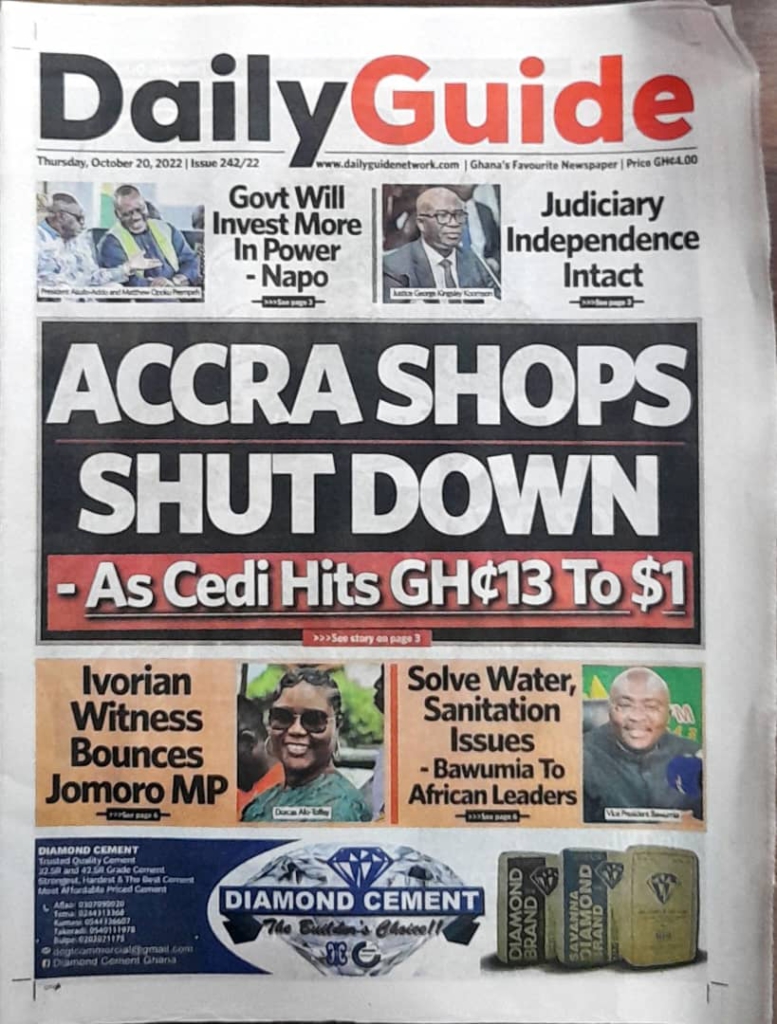
It’s presently trading at about ¢11 on average at the forex bureaus.
Cedi loses 3.2% value to dollar last week
Last week, the cedi was relatively stable on the interbank market, trimming 0.34% vs the dollar, 0.02% against the pound, and 0.06% to the euro.
However, the local currency saw a sizeable depreciation in the retail market, shaving 3.23% to the greenback, 5.43% vs the pound, and 5.48% to the euro.
Some analysts are however hopeful the Finance Minister, Ken Ofori-Atta and his team who are in Washington, DC, will fast-track the economic programme that the country is seeking to have to address the current economic challenges, particularly the cedi.
Ghanaian rapper, Maradona Yeboah Adjei, known in showbiz as Guru, says that he is yet to achieve five percent of his goals.
Speaking to Ib Ben-Bako on Prime Morningon Friday, the rapper indicated that he has a target to meet in his music career. He believes making a controversial hit song is a part of the reason he is not moving forward.
“I’ve not even made five percent of that. I came out on a very huge controversial song and that has really affected me so much,” he said.
Also, Guru stated that the majority of Ghanaian music industry players become emotional in the performance of their duties.
According to him, the music careers of most upcoming artistes have not been well established due to the emotional nature of the industry players.
“Sometimes we intend to switch you for no reason, depending on emotions, and we act too much based on emotions. So if you’re not mentally strong, they’ll cut you off,” he stated.
In addition, he said, “For example, most of these young acts are doing good. Somebody will sit somewhere and just be pissed off, all because he invited the reigning act to be on his platform and he did not show up. So emotions are kind of draining our system.”
However, the determined “Amen” hitmaker refuses to be trained by people’s emotions, saying that one can never be satisfied with what the industry provides.
Guru believes the music industry has emotional problems with him, but he has no problem with the industry.
He is of the opinion that there has not been any improvement within the entertainment industry.
Meanwhile, the rapper has released a new single titled, “Enko Yie.” The song, he said, is an inspiration for the pressures of life he is dealing with.
The South African Police Service (SAPS) says a 21-year-old man will be charged with murder following the discovery of six bodies – five of them in an advanced state of decomposition – in a building in the main city, Johannesburg.
The local News24 site reports that the bodies were of six women.
“The [one] victim had her underwear below her knees. Her head and neck were covered with her skirt. All six had their hands and feet tied from behind,” an unnamed eyewitness was quoted as saying.
Police said they launched an investigation after complaints of a foul smell coming from one of the rooms in the building.
The body of a woman was first discovered in the building, and her clothes matched the description of a woman reported missing earlier this month, a police statement said.
Five more bodies were found outside “where there is a makeshift workshop and rubbish dumpsters”, the statement said.
“Unfortunately, the other five bodies are at the late stage of decomposition. They will be subjected to forensic analysis for identification,” it said.
The 21-year-old man – who is believed to be the last person to have been seen with the woman – had been arrested, the statement added.
He is to be charged with six counts of murder.
Police have not yet given a possible motive for the killings.
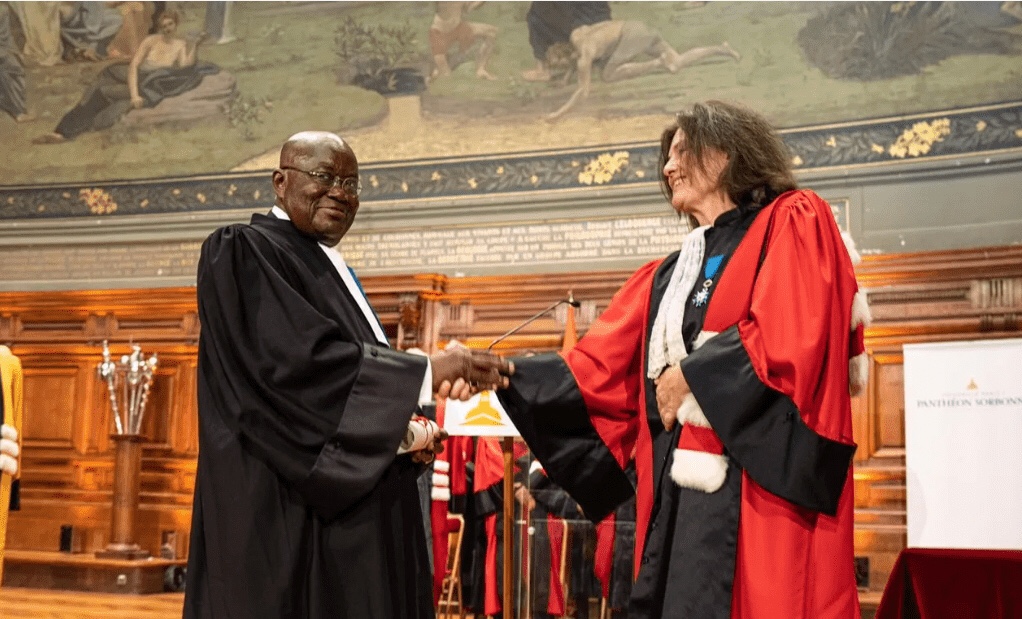
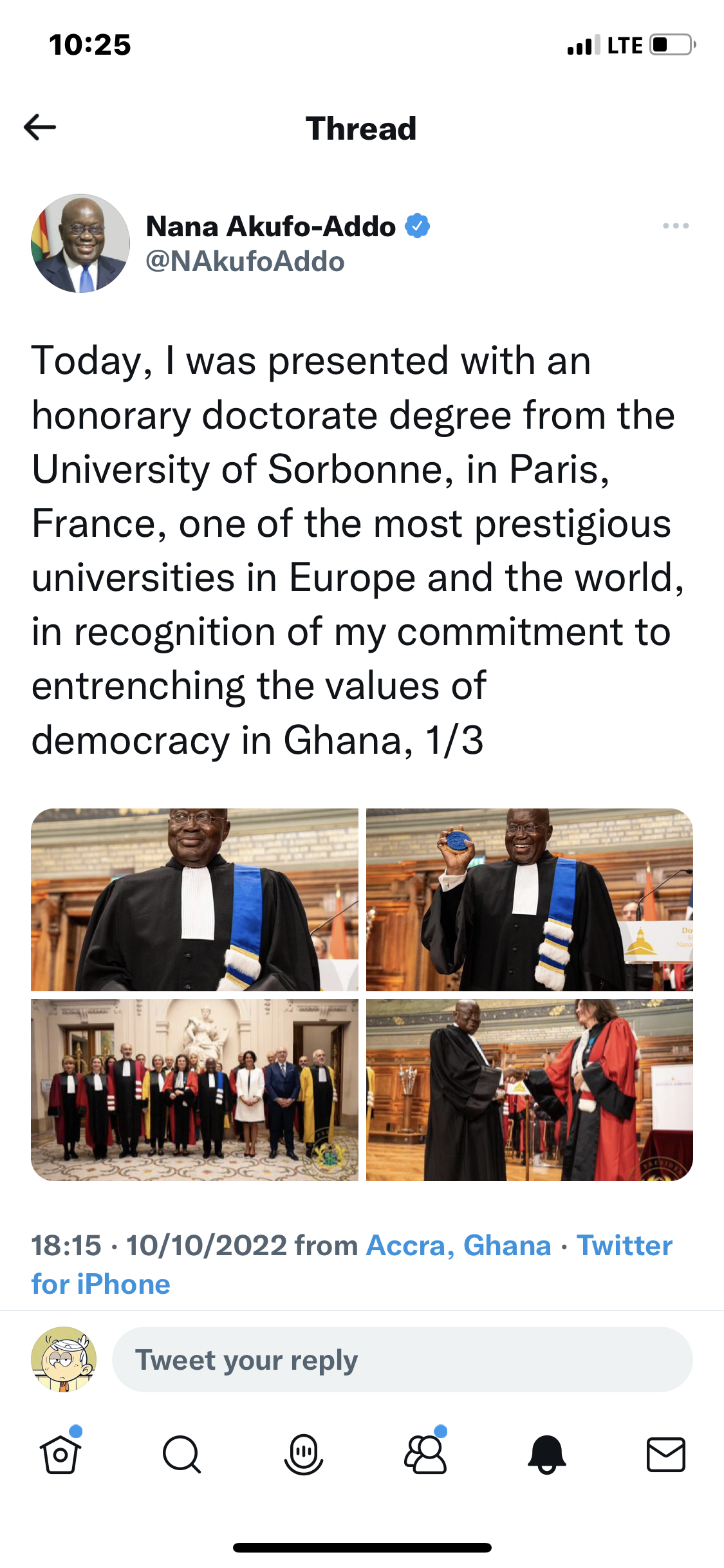
Today, I was presented with an honorary doctorate degree from the University of Sorbonne, in Paris, France, one of the most prestigious universities in Europe and the world, in recognition of my commitment to entrenching the values of democracy in Ghana,
fostering peace within the West African Region, guaranteeing access to a minimum of senior high school education for all of Ghana’s children through the implementation of the Free SHS policy, and also for the leadership shown in the fight against COVID-19, amongst others. I am delighted to be in the company of Pablo Picasso, Kofi Annan, Amartya Sen and Nelson Mandela, who have all received Honorary Doctorate Degrees from Sorbonne University
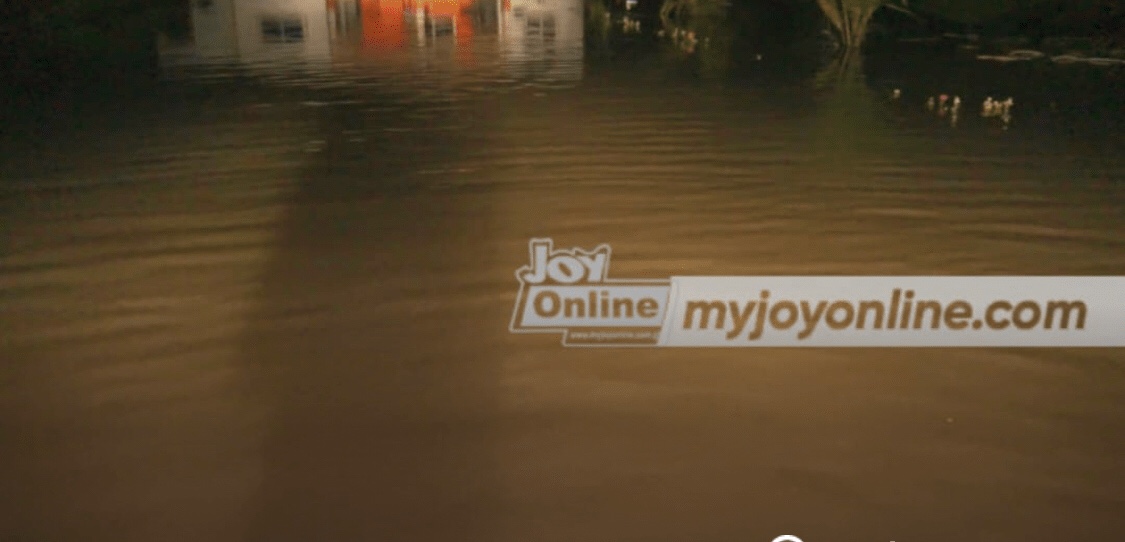
Some affected residents, including families in Ashalaja, one of the communities in Weija-Gbawe municipality, which were flooded as a result of spillage of water from the Weija Dam say they now have to sleep in kiosks.
According to them, they have to contend with this situation until the water recedes.
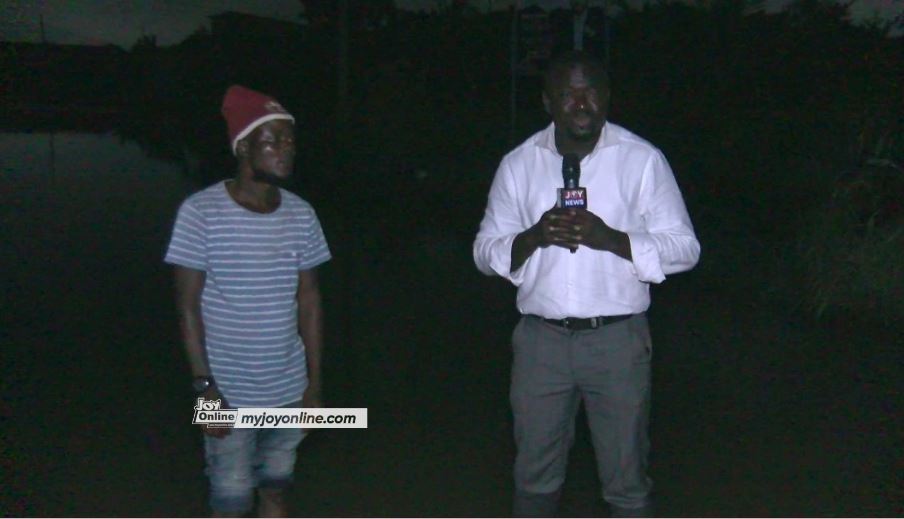
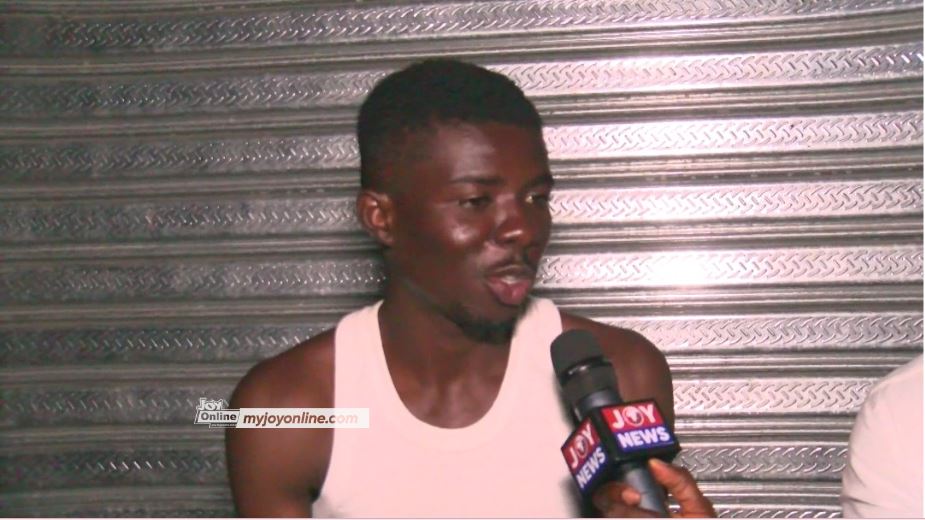
“Now, I sleep in my wife’s container together with her and our children. From the way the level is, it is not possible we can sleep in there until after one week from today,” one of the victims, John, told JoyNews.
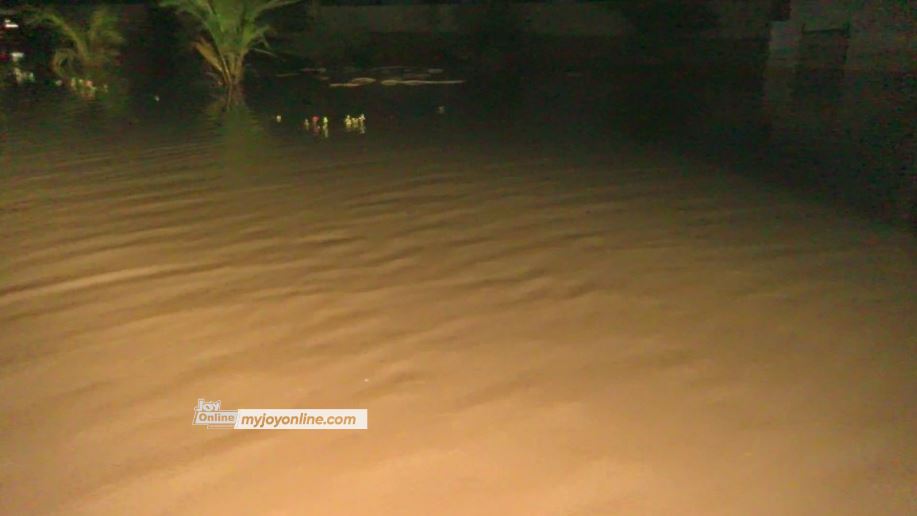
Hundreds of persons living in the Weija-Gbawe municipality were forced to spend the night outside their homes after water levels there rose to deadly heights.
Security agencies worked throughout the night in the dark to rescue persons trapped in their homes as the affected communities have been without power for close to 24 hours.
In Ashalaja, a good number of affected people have had to pass the night in kiosks outside of their homes.
Speaking to JoyNews on Tuesday night, John recounted how difficult it has been for him and his family.
“It was a very difficult period. We really suffered, because there was no help coming from anywhere. The way people were packing out of their homes, it looked as though we were in a war zone; people were carrying their belongings including mattresses and moving through the flood,” he said.
John said the National Disaster Management Organisation (NADMO) after coming to rescue them from their houses, provided a pack of kenkey and fish to the survivors.
“NADMO came on Tuesday morning to give one kenkey and fish each to affected persons and promised to be back again, but we have waited for them till now (evening), but nobody is showing up,” he uttered.
Another victim, Serwaa, said she’s surprised about the current situation because it has never happened.
“Sometimes, the water comes but it doesn’t get to my house which is about two kilometers away from the river. Yesterday when NADMO came to rescue us, they had to park their car at a distant place before coming to rescue us.
“Right now, my books and my certificates are all swimming in the water in my room. My daughter’s uniform as well. So what we did was to lock the room so that none of my things come out of the room with the flood waters,” she said.
Paa Kwesi, a resident of Ashalaja, explained the scene on the first day of the flooding was a very pathetic one which will live with him for a long time to come.
“This is a residential area and we had women, adults and even babies. So seeing older women and babies parking out of their houses with no hope, it was hard to take. You know you cannot anticipate that this will happen, so people didn’t have a plan ‘B’. Seeing women and children struggling in the flood was really sad,” he said.
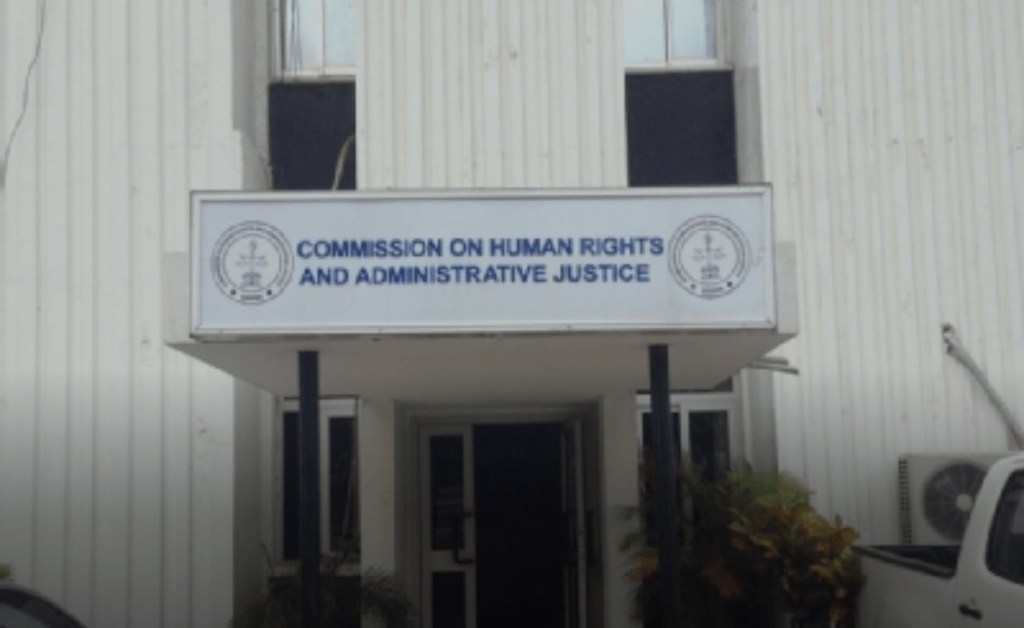
The Commission on Human Rights and Administrative Justice (CHRAJ) says it is investigating some 428 public office holders for failing to declare their assets.
Mr Stephen Azantilow, Director, Anti-Corruption at CHRAJ, revealed this at a public forum on “Declaration of Assets by Public Office Holders and the Fight Against Corruption in Ghana,” in Accra on Tuesday.
Mr Azantilow, however, did not give further details on the cases as that could prejudice the outcome of the investigations
He, however, revealed in a telephone interview with the Ghana News Agency, that the investigations extended to officials who failed to declare their assets in 2020.
He added that 284 of them were also cases that were brought to the attention of the Commission in August this year.
The forum, organised by the Media Foundation for West Africa (MFWA), brought together several anti-corruption campaigners and associations as well as some political parties.
Article 286 (1) of the 1992 Constitution states that “a person who holds a public office mentioned in clause (5) of this Article shall submit to the Auditor-General a written declaration of all property or assets owned by or liabilities owed by, him whether directly or indirectly (a) within three months after the coming into force of this Constitution or before taking office, as the case may be, (b) at the end of every four years; and (b) at the end of his term of office.”
The law requires that the President, Vice-President, the Speaker of Parliament, Deputy Speakers of Parliament, members of Parliament, ministers and deputy ministers of state, ambassadors, the Chief Justice, Judges of Superior Court, Judges of Inferior court and managers of public institutions in which the state has interest submit to the Auditor-General written declarations of all property or assets owned by, or liabilities owed by them, whether directly or indirectly.
The Constitution also requires the declaration to be done before the public officer takes office.
However, Section 1(4)(c) of the Public Office Holders (Declaration of Assets and Disqualification) Act directs public office holders to meet this requirement “not later than six months after taking office, at the end of every four years and not later than six months at the end of his or her term.”
Reacting to criticisms that the Commission had failed to hold public officials who did not comply with the Act, Mr Azantilow said the absence of explicit punishment in the law had rendered it helpless.
“We sometimes also feel helpless because when you have the law that does not critically tell you that look if somebody doesn’t declare before he assumes office, or he leaves office or every four years, you should give or mete out sanctions A, B, C and D, it becomes problematic.
“And that is why when the new bill, that is the Code of Conduct Officers Bill came before us we made a lot of input and even the current bill as it is, pending before Cabinet, our proposals for the type of sanctions that should be meted out to public officers depending on the stage in which the person failed to declare their asset has been captured.
“We are hoping that the law will come into force so that we know exactly what to do,” he said.
He also added that as a Commission, its decisions were not always final.
“You people are aware that some of our decisions have been challenged in court. So, if you make a decision that does not stand the test of time, it will be challenged in court and we have faced those embarrassments so we are also careful the way we do our things,” Mr Azantilow said.
Mrs Linda Ofori-Kwafo, Executive Director, Ghana Integrity Initiative, emphasised the need for strong leadership to ensure the enforcement of the asset declaration regime.
































 Congo.dev