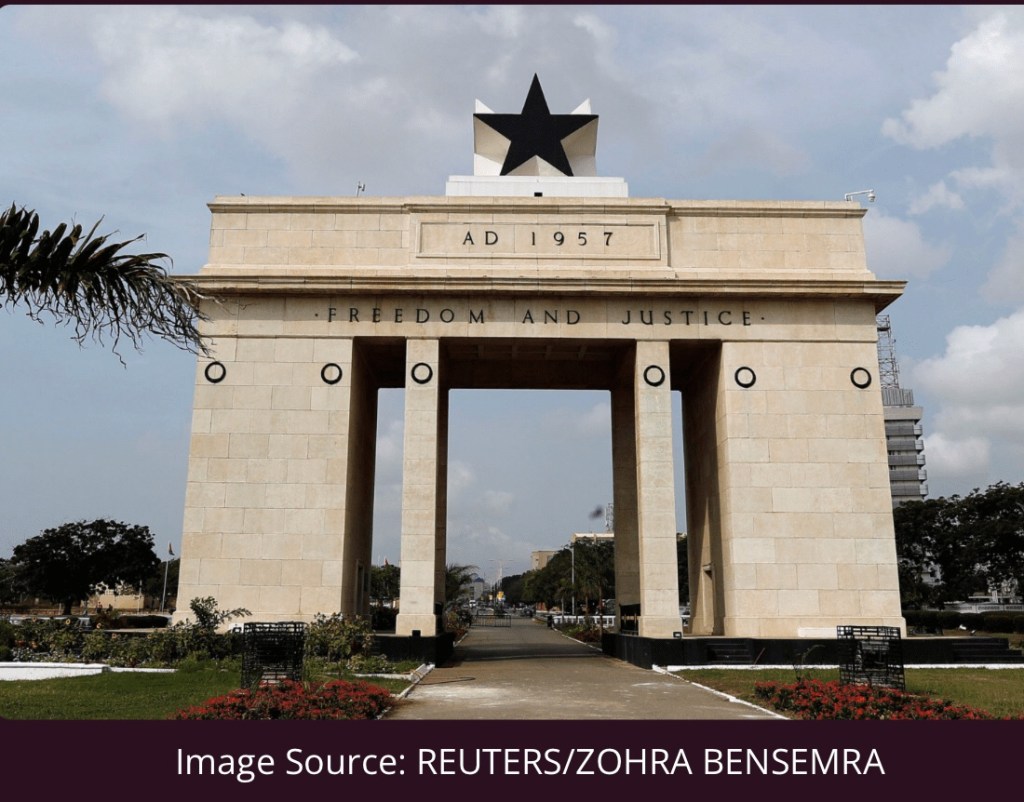
Inflation in Ghana has been rising for the past 11 months, hitting 31.7% in July, up from 29.8% the previous month. This is the highest figure the West African country has recorded since November 2003, as the continued slump of its currency, the cedi, increased the prices of imported goods like gasoline and cooking oil.
Since January, the cedi has weakened 30% and is, according to Bloomberg, the second worst performing currency in the world, behind the Sri Lankan rupee.
The Ghanaian government runs the country on loans, which has pushed the country’s debt-to-GDP ratio to 78%. In July, despite a pledge by President Nana Akufo-Addo to not receive loans from the International Monetary Fund (IMF), Ghana’s deteriorating economic health forced it to return to the IMF for a bailout. The loan, the seventeenth it has received from the IMF since it gained independence in 1957, is worth $3 billion and will be paid to the Ghanaian government over three years.
Global credit rating agencies such as Fitch Ratings and S&P Global Ratings have downgraded its economy and have made it difficult to borrow more money, but the country hopes the IMF loan will boost investor confidence.
The country’s macroeconomic crisis is trickling down and dealing blows on Ghanaian businesses which have had to adopt measures to cope with the rapid changes in the economy.
 Congo.dev