The United Nations Development Programme (UNDP) Ghana, has expressed worry over the increasing complexities of violent extremism in West Africa.
The Resident Representative of UNDP in Ghana, Dr. Angela Lusigi, on Thursday noted that the activities of terrorists are spreading, thus undermining the security of people in the sub-region.
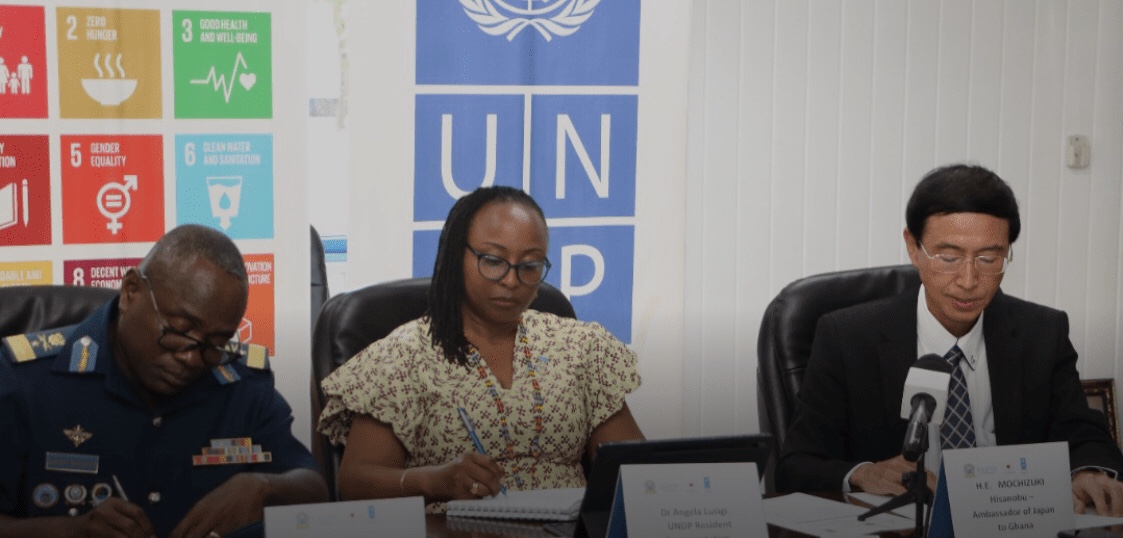
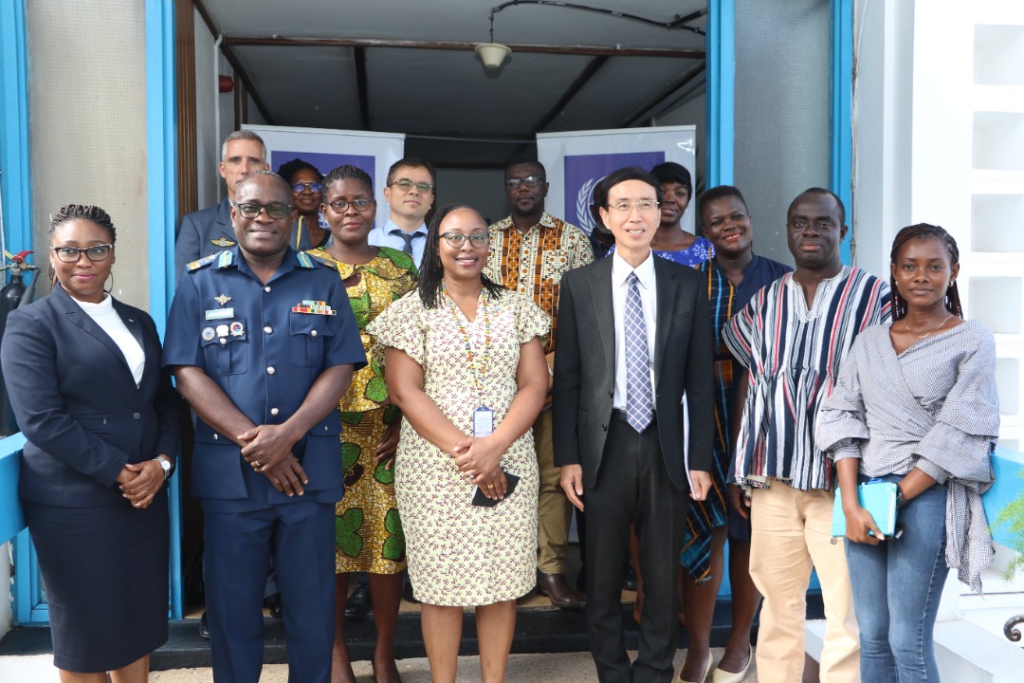
She raised this concern when she was speaking at the Closing Ceremony of the “Strengthening Response Capacities of State and Civil Society Actors in Preventing Violent Extremism and Terrorism in the Coastal States in West Africa” Project on Thursday.
UNDP, in partnership with the Kofi Annan International Peacekeeping Training Centre (KAIPTC) and with funding from the Government of Japan, implemented the one-year project.
Dr. Lusigi further noted that the devastating effects of terrorism transcend national borders, thus, it is important for African states to collaborate in combating the threat.
“The causes and effects of terrorism and violent extremism do not respect national borders. We must therefore bring on board all stakeholders at the local, national, regional as well as continental level.
“Up to 1.8 million people have been displaced by violence in Burkina Faso alone since 2016. More recently, there are reports of attacks in coastal states like Cote D’Ivoire, Togo, and Benin that border Ghana. This threat to wider security of the sub-region also puts the economic, social, political and environmental gains we have made towards the achievement of the Sustainable Development Goals, at risk,” she said.
Nonetheless, Dr. Lusigi noted that the UNDP Ghana is working earnestly with communities to build capabilities for more effective early warning and response.
She intimated that by strengthening the youth and the vulnerable, Ghana will be best positioned to fight against terrorism and violent extremism.
“Active engagement and involvement of all segments of the society is key, as is the provision of social services and livelihood opportunities to support people-centred development.
“Building on these points and looking ahead beyond this successful project, we must continue to advance a proactive and preventive regional response,” she noted.
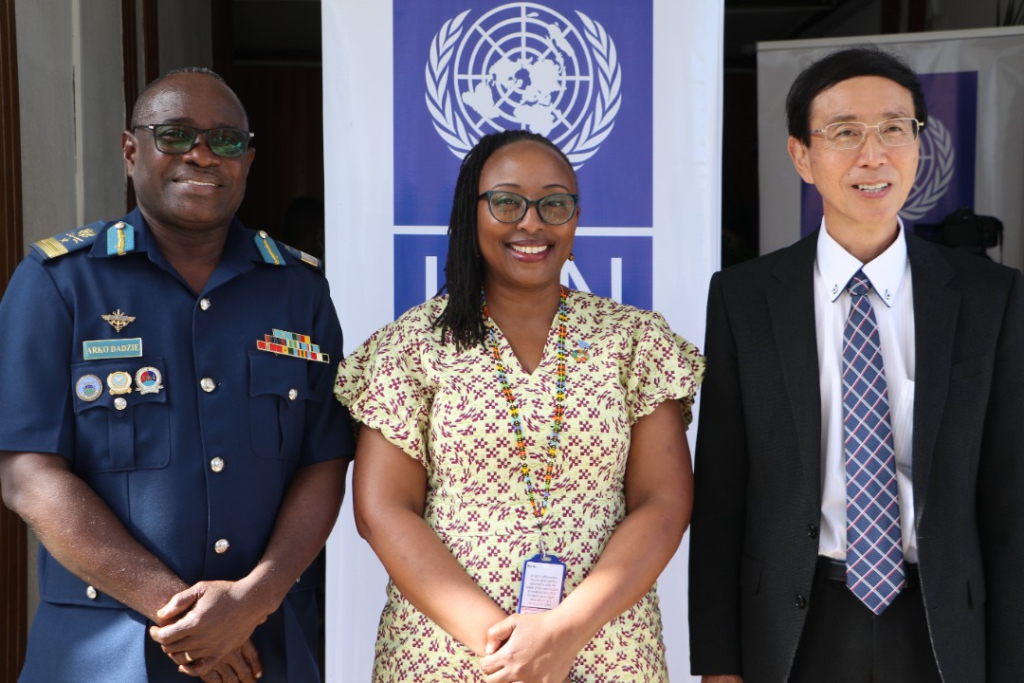
Delivering his remarks, the Ambassador of Japan to Ghana, Hisanobu Mochizuki highlighted the relevance of coordination and teamwork in efforts to safeguard the security of the sub region.
He noted that the Japanese government recognises that terrorism has huge implications on the sub-region, therefore, it is the priority of Japan to assist in the protection of its allies.
“I would encourage beneficiaries of the project to effectively use the knowledge they have acquired through this project to support their respective government’s efforts to fight against existing threats.
“I am also convinced that maintaining peace requires coordination, understanding and information sharing,” he noted.
Taking his turn, the Deputy Commandant at KAIPTC, Air Commandore George Arko-Dadzie expressed gratitude for the partnership which has brought immense capacity development among stakeholders.
According to him, the geographic concentration of terrorists has shifted to coastal states which is more worrying.
UNDP in partnership with the Kofi Annan International Peacekeeping Training Centre (KAIPTC) and with funding from the Government of Japan implemented the one-year project on ’Strengthening Response Capacities of State and Civil Society Actors in Preventing and Countering Terrorism and Violent Extremism in the Coastal States in West Africa from March, 2021 to March, 2022.
The project sought to contribute to improving peace and security in West Africa and enhancing understanding of counterterrorism and violent extremism strategies.
It also aimed at improving the capacity of terrorism and violent extremism prevention and management in the West Africa sub-region.
The project partners, thus, met to share successes, challenges, and recommendations from the trainees and key highlights from the research to inform future areas of focus.
 Congo.dev